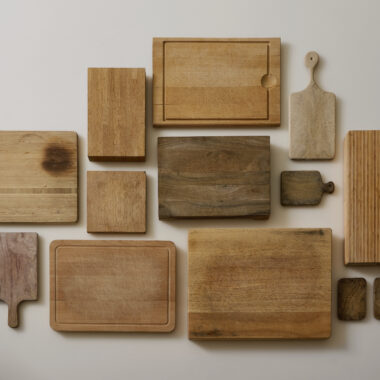
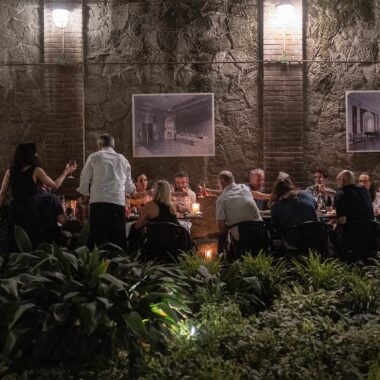
Dr masharu is an artist with a background in science and mathematics. They have been eating dirt all their life, and geophagy is now the main driver of their artistic work and as the founder of the Museum of Edible Earth in Amsterdam. The Common Table talked to them about their fetishes, taboos and cultural norms.
The Common Table: How did eating dirt, or earth, become the focus of your practice?
masharu: In 2012, after completing a PhD in mathematics and computer science, I switched to being an artist working with the eating of unconventional things. I had strong cravings for this as a child, and I wanted to make a project about it. So I started interviewing people who ate chalk and clay as well as things like dry pasta, flowers, toenails, and ice cubes – crunchy things.
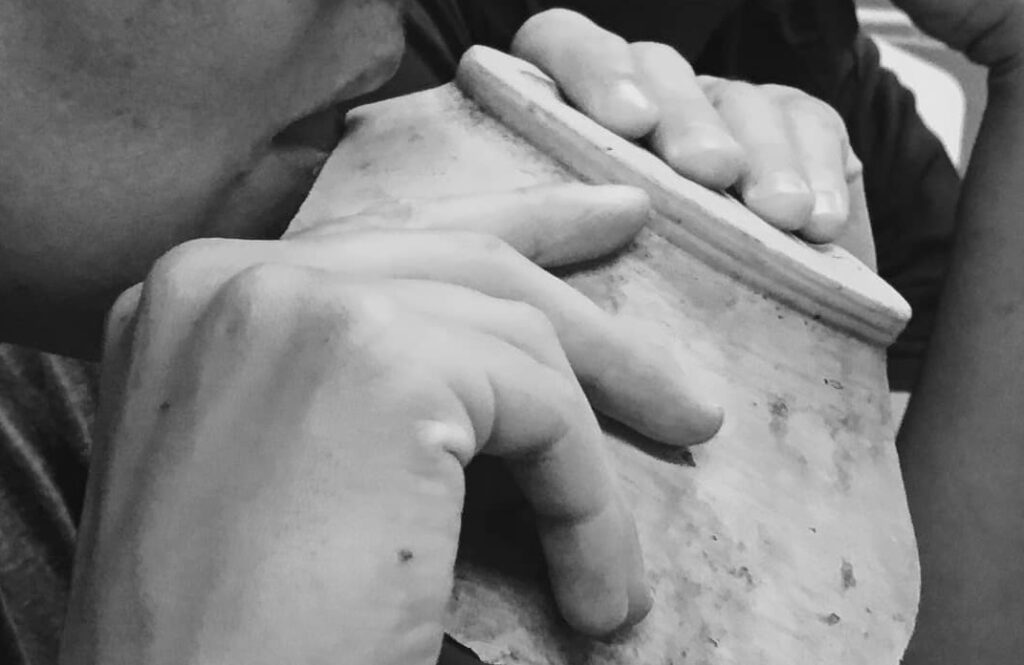
The Common Table: So you got into the field of geophagy through your own cravings?
masharu: Exactly, my own desires were quite strong, and I thought this was interesting. For example, I found myself looking at the chalks at university and having a strong desire to eat them. So I did. I thought, “This is really tasty. It’s such a pleasurable sensation. There should be a market for it. There should be more people who like it.”
I wanted to make a space where this thing that is so marginal and considered weird or a mental disorder in the Western world would be celebrated.
The internet is amazing for finding weird stuff that people don’t normally talk about. I found a lot of chalk eaters online; there are whole forums dedicated to chalk eating. It is something people are very passionate about, but do in secret, often hiding it from their families, because it is not considered socially acceptable. I wanted to make a space where this thing that is so marginal and considered weird or a mental disorder in the Western world would be celebrated – a space where chalk and other mineral eaters could gather to do it together.

The Common Table: Where did your research lead you? How widespread is mineral eating, or geophagy, and what forms does it take as a cultural practice in different parts of the world, in your experience?
masharu: What began as a personal project became almost like a fetish. The first place I made for people was an exhibition with a dinner table. On the table were all these weird things that people eat, and visitors were invited to sit and try them.
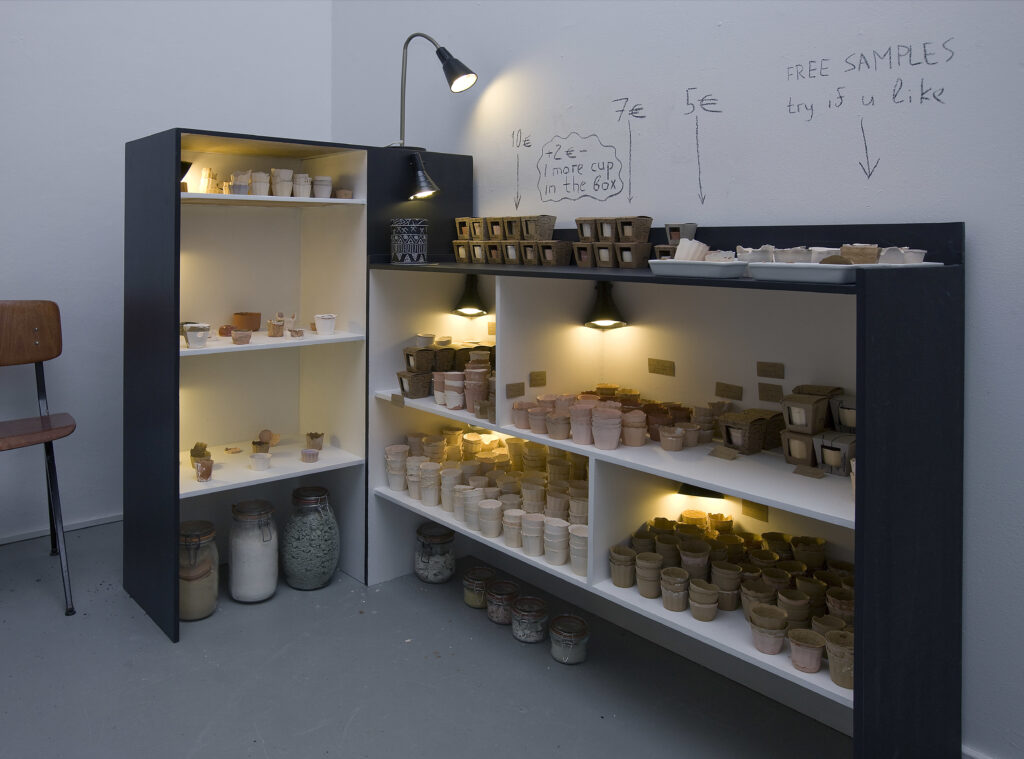
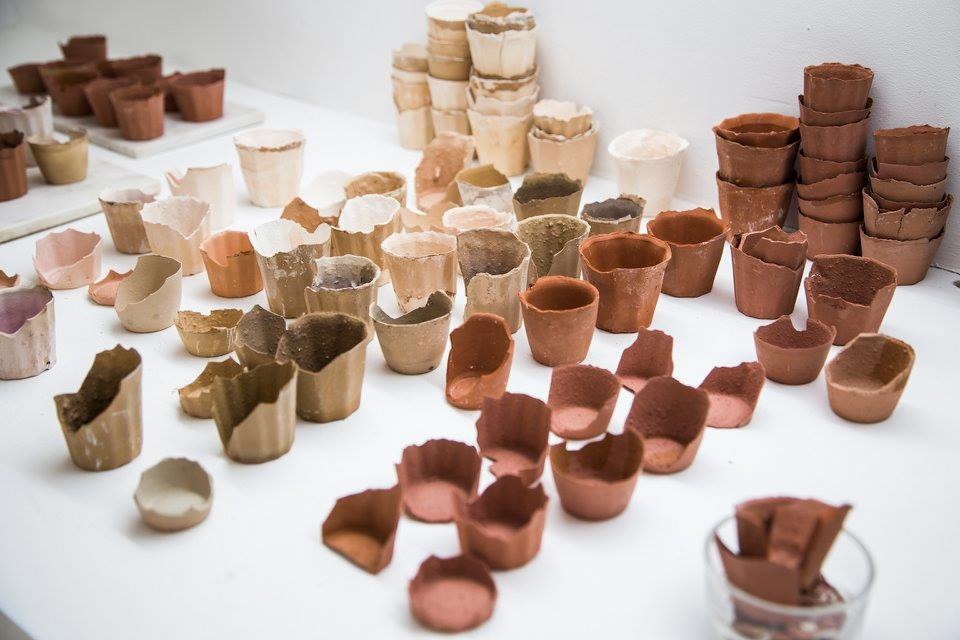
Later, I had another exhibition where I made a series of edible ceramics, and people were invited to eat them too. Through this, I began to get in touch with many people from different parts of the world who also ate clay. I remember one artist who took me to an African store down the road that sold edible clays. I asked about them and then started eating them. Everybody was looking at me and saying, “Oh, we didn’t know white people eat this stuff too”. It was like this act of eating earth created a lot of bonding between us.
Then I was invited to Indonesia to work with Arie Syarifuddin and the Jatiwangi art Factory on a clay project called Claynialism. This is when I discovered that what I thought at first was a fetish had more to do with taboos and societal norms. It became something much bigger because it is connected to many cultural practices across the globe.
In many places, edible clay is sold in markets as a snack. It is interesting to see how something that is a practice in one culture is seen as a disorder in another. In the Western world, eating non-foodstuffs is called “pica syndrome” and is considered a psychological eating disorder.
The Common Table: There is a societally accepted exception for geophagy in the West, isn’t there? And that’s pregnant women.
masharu: Yes. It is associated with pregnancy in many places. The nutritional scientist Sera Young, who wrote a book called Craving Earth, says that during pregnancy, the body has instincts to cleanse itself. Earth, in the form of clay, is very cleansing; it takes toxins out of the body. Of course, it can also introduce toxins into the body if the clay is polluted, but basically, the hypothesis is that eating clay comes from a strong somatic desire for cleansing.
The hypothesis is that eating clay comes from a strong somatic desire for cleansing.
In many places, people also associate eating earth with fertility. This practice has been absorbed into the Christian Church. There is a Catholic church in Bethlehem, Palestine called the Chapel of the Milk Grotto of Our Lady. According to legend, the Holy Family sheltered there when Jesus was a baby. A drop of Mary’s milk fell on the floor and turned the whole grotto white. I don’t know if it’s still practised now, but since the 4th Century, people who couldn’t conceive have travelled from all over the world to eat the chalk rock from these white walls and floor, and then they would supposedly get pregnant.
The Common Table: Aside from everyone eating salt or some people eating clay during pregnancy, is it just a Western thing to find this practice strange, or is it also seen as strange elsewhere?
masharu: I think for sure it’s a Western attitude, but also it’s in combination with industrial society; with sterilisation, disconnection from the earth, colonisation and hierarchies. As I mentioned, minerals for eating are sold in many places. For another project, I visited Suriname, a former Dutch colony in South America, to learn about pimba, a creamy, soft, crunchy white clay that people eat and use to connect to their ancestors. Even there, there is a lot of marginalisation around it with this idea that consuming it is something only poor or uneducated people do.

The Common Table: Is clay-eating a gendered practice in your experience?
masharu: I noticed that it is indeed more associated with femininity and that men would consider it too feminine to eat earth. But I have met some men who also like and are even addicted to eating earth. The practice definitely has a lot of imaginations connected to gender and echoes ways of thinking. Like the idea that the separation between genders is like the separation between earth and sky; that earth is a woman, and God (a man) is in the sky.
The Common Table: How does the commercialisation of earth-eating – through the sale of edible clays, for example – affect the cultural meaning of the practice? Does turning it into a marketable product change who the audience is and how the act of eating earth is understood?
It is okay to eat it, but it’s not supposed to be a pleasurable experience because it is a medicinal product.
masharu: On one hand, it is a kind of marginal behaviour. But in Germany, for example, there are products like Luvos Heilerde, which is packaged and labelled as a healing food supplement in the European Union. The company’s homepage shows this happy white nuclear family of two parents and two happy kids, with the implication that they’re all eating this earth. So in this context, earth-eating becomes something else. It is okay to eat it, but it’s not meant to be a pleasurable experience because it is a medicinal product.
The Common Table: So if it can be legitimised as a medicine through packaging, could the pleasurable, the “weird”, the “fetish” element be legitimised through packaging as well? If you make it a dinner feature, for example, or package some of these materials so they look like they have been bought as food, does that make more people okay with the idea of eating it for pleasure?
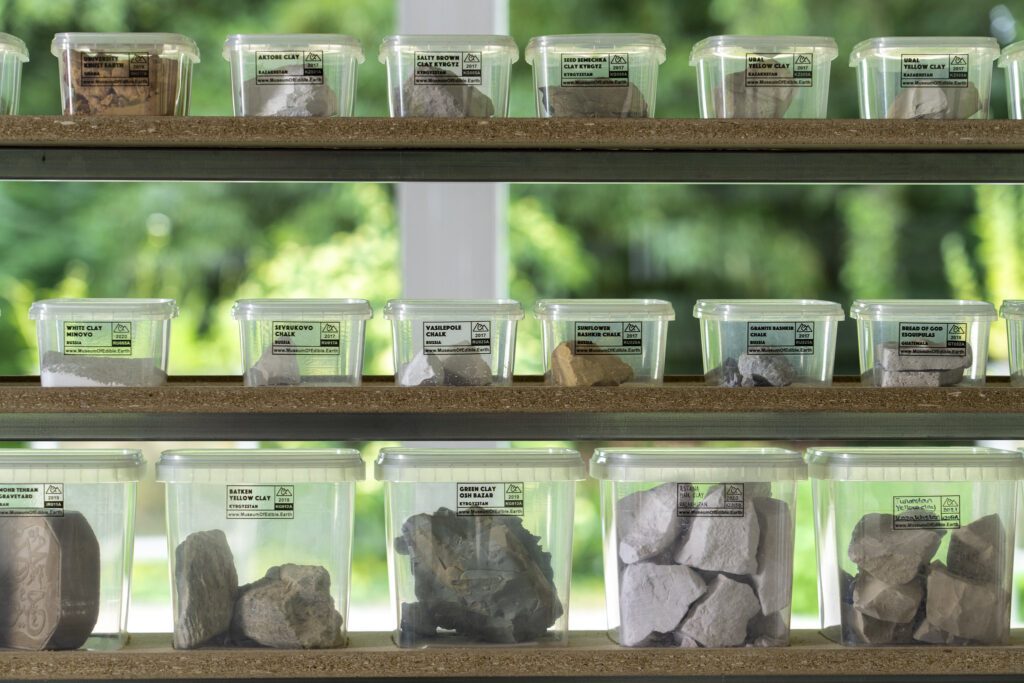
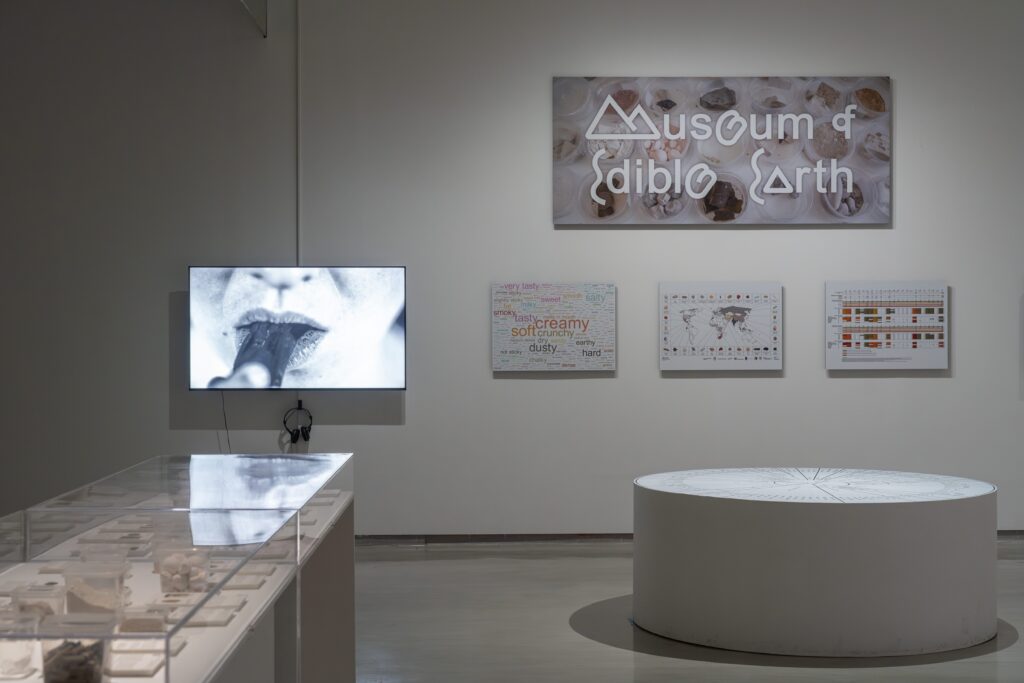
masharu: That’s what I do with my Museum of Edible Earth in Amsterdam. If I package it nicely in plastic food containers and put labels on them, then people are very willing to try eating earth. In most of our exhibitions and events, I would say 90 per cent of people try it. I do add a disclaimer saying it isn’t an official food product and isn’t recommended for consumption by the food authorities. Still, this way of presentation really does something to people. Although I still wonder whether this comes from the medicinal mindset.
If I package it nicely in plastic food containers and put labels on them, then people are very willing to try eating earth.
The Common Table: If you’re putting the minerals in food containers, are you not also symbolically marking a divide between clean and dirty? The implication is that you have lifted it up off the “dirty” ground, as it were, and sanitised it by giving it food signifiers.
masharu: I think it’s to do with the whole culture of eating. I mean, if we put food on the floor and asked people to eat it, some people would, and some people wouldn’t. We not only have powerful cultural norms around what we eat, but also where we eat and from what. If I were to put some chocolate on my head right now and invite you to eat it from my head, it would be awkward, right? Especially since we’ve only just met.
I see now how fundamentally connected to the Earth geophagy is, and how many subjects are connected to it in turn: colonisation, oppression, queerness and the cultural connection with ancestors.
The Common Table: How has your own relationship to earth eating changed through your practice and everything that you’ve learned about geophagy?
masharu: I never expected, when I started this project, that it would continue for so long. I thought I would just do one exhibition and then something else. But it turned out to be such a deep subject with so many sides that I felt the need to continue. I met people who said I should come to Suriname or Zimbabwe, and, having Russian roots, I also began to explore the territory of the contemporary Russian Federation, then beyond it to the Baltics and Central Asia. Since I was investigating connections to my own background at the same time, it became a very long journey.
I see now how fundamentally connected to the Earth geophagy is, and how many subjects are connected to it in turn: colonisation, oppression, queerness and the cultural connection with ancestors. So it has definitely changed a lot for me. At first, it was more about my desires, and now I feel it is maybe almost as a calling to do something which manifests through desires, but has far more meaning.
Dr masharu is an Amsterdam-based earth eater and an earth lover, a founder of the Museum of Edible Earth. Their projects combine scientific research with a personal approach and cultural practices. masharu’s artistic as well as scientific work has been exhibited, screened and published in more than 30 countries, in such venues and events as World Soil Museum in Wageningen, Ars Electronica Center in Linz, Modern Art Museum in Yerevan, and the 4th Jakarta Contemporary Ceramics Biennale in Jakarta. Their awards include the Distinction at Prix Ars Electronica (Austria) and YouFab Global Creative Awards (Japan) and their work is supported by the Mondriaan Fund.
Title image: Archive of the Museum of Edible Earth, installation by Basse Stittgen, Amsterdam, 2023. Photo © masharu