From me to we: a biocosmic metaphor in a speculative meditation on humans and holobionts, microbes and midichlorians, Star Wars and storytelling by Sophie Lovell. May the Force be with us.
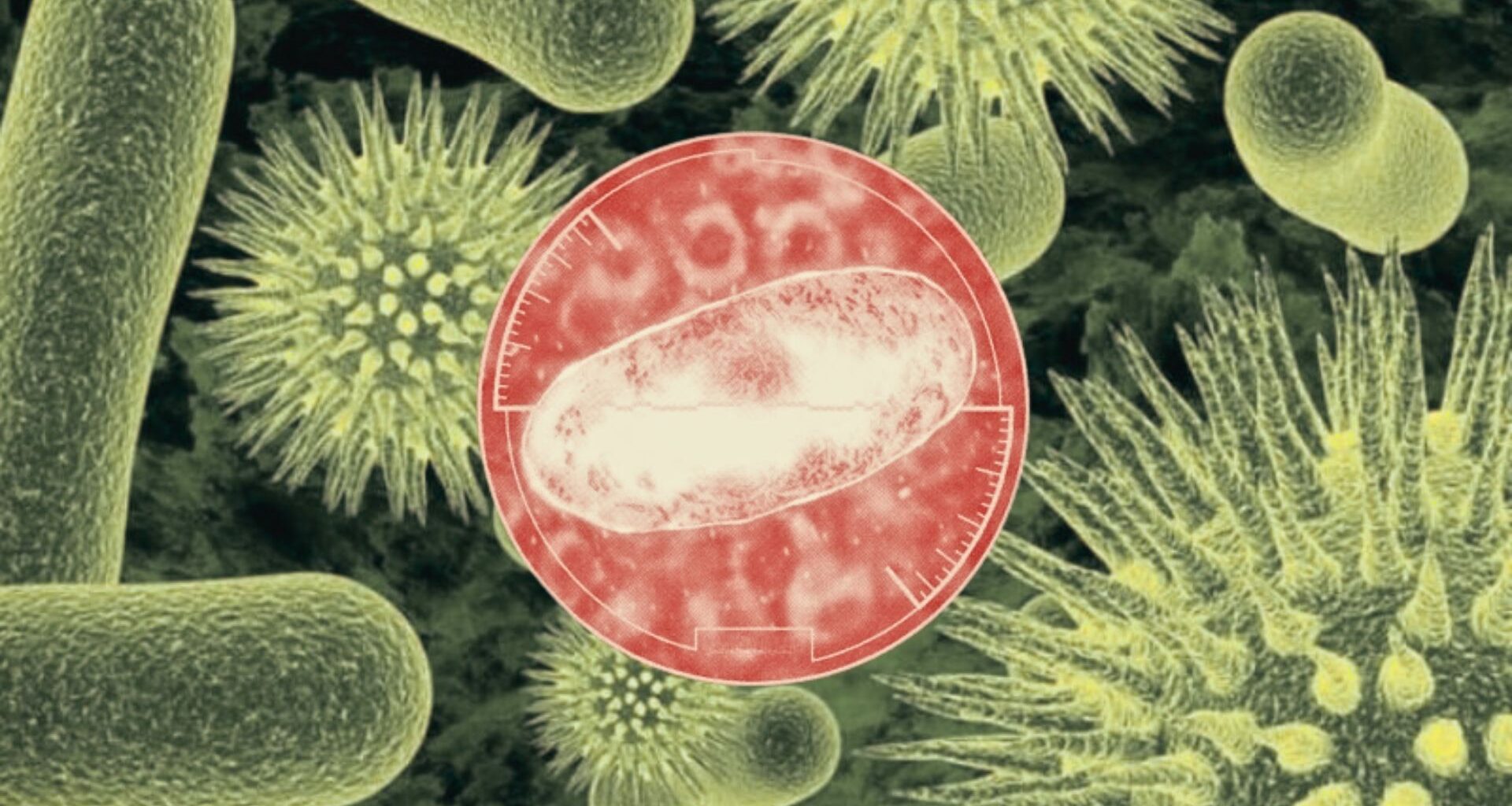
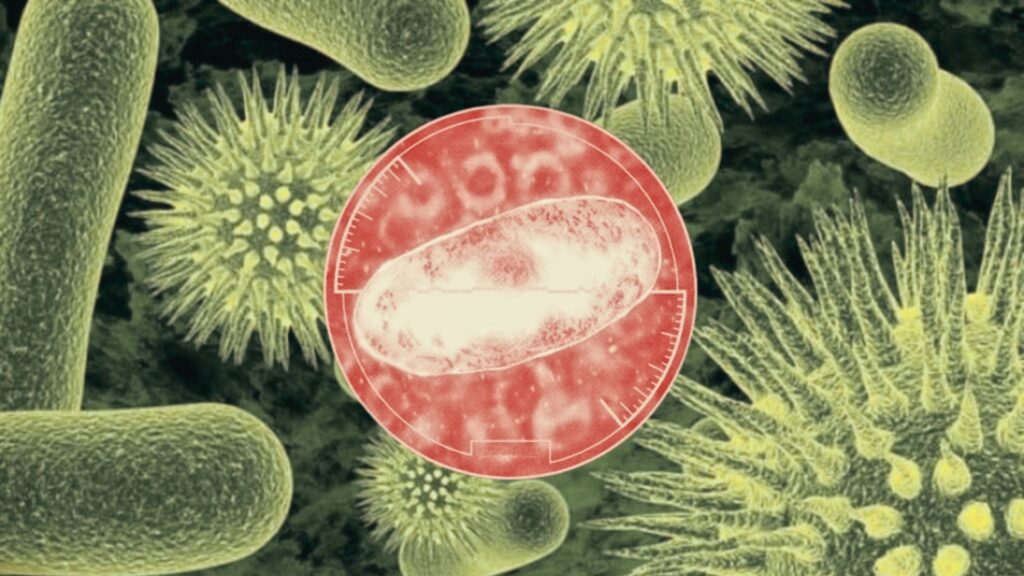
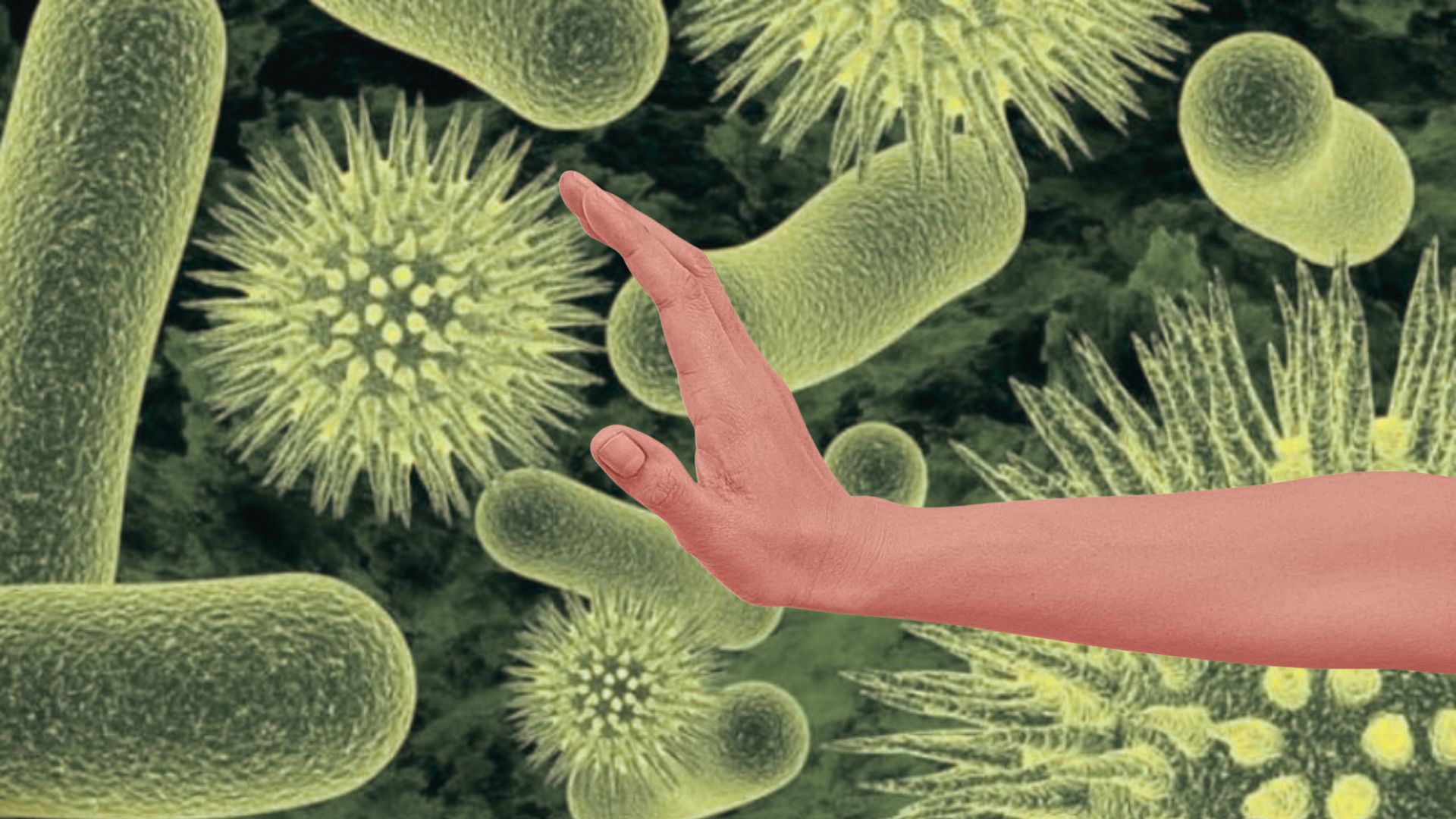
I’ve been thinking lately about the discovery that the average human body comprises around 30 trillion cells that carry human DNA and 39 trillion cells that do not. If this is the case, the microbiome of every human being outnumbers the “human” in their own bodies. In other words, if you consider human DNA to be the molecules that define humans, then each human body is more “alien” (i.e. non-human life form) than human, begging the obvious question: What is human?
Is me actually a we? Are human beings not individuals at all, but communities? Or is this more of an occupation? Current biological thinking tends to take the symbiotic community view, regarding the human being as more of an integrated ecological unit rather than a single organism. We are, according to evolutionary biologist Lynn Margulis, holobionts, sharing our bodies with a large, diverse community of bacteria, fungi, viruses, and archaea, collectively known as our microbiome. It is a mutual arrangement that has developed over millennia.
Is me actually a we? Are human beings not individuals at all, but communities?
Viewed this way, our bodies are not so much entities as habitats; picture each human as a moving, thinking population, more like a city than a single household. These habitats are interconnected with and related to the larger habitats we occupy: our neighbourhoods, our homes, our workspaces, and even the people, pets, farm animals, plants, fungi, food and soil we come into contact with.
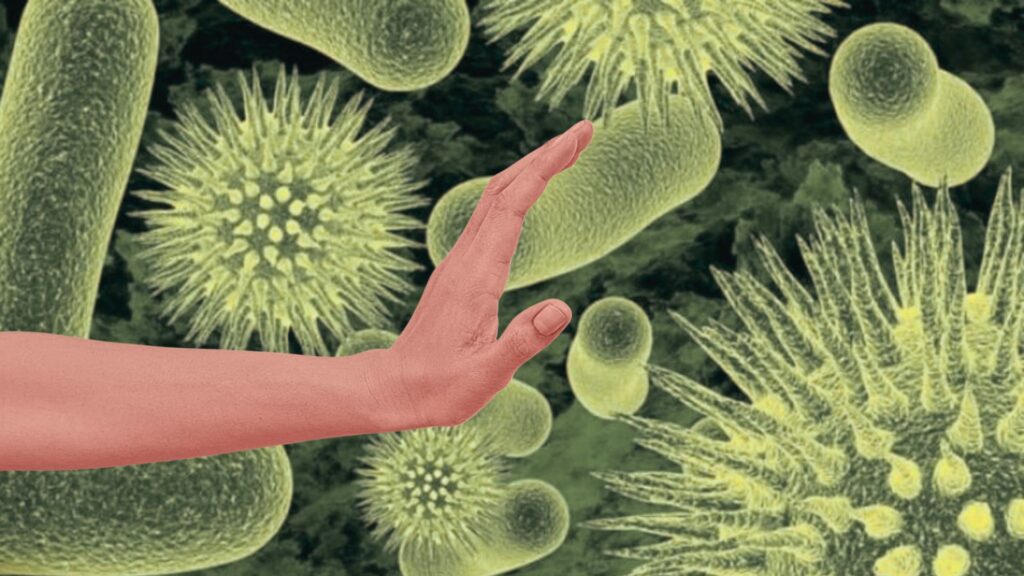
Dr Lynn Margulis used the term holobiont in 1991, when she suggested that symbiosis, not competition, between different organisms, was the driving force of evolution. Her revived theory of symbiogenesis, which proposed that many cell organelles, such as mitochondria, originated as symbiotic bacteria, was pooh-poohed by the scientific community for years but is now widely accepted. More recently, another academic and author of the book Staying with the Trouble: Making Kin in the Chthulucene, Donna Haraway, brought the concept of sympoiesis (literally: “making-with”) into wider academic discussion by focusing on humans “becoming-with” non-human others – particularly with respect to microbial entanglements. Haraway argues that entities (creatures, people, systems) come into being and become who they are through their relationships with others, both human and non-human. Again, there is no me; there is only we. This applies to what science has previously considered to be discrete organisms or individuals, as well as bigger entities such as social and other networks.
People, it seems, are far fuzzier, more interconnected, and less discrete than the Western paradigm would have us believe.
Haraway works across several disciplines and rejects rigid boundaries, embracing partial, situated or hybrid identities. People, it seems, are far fuzzier, more interconnected, and less discrete than the Western paradigm would have us believe. It is a significant shift in thinking that has enormous consequences (unless you grew up in a culture that has known this all along), but it has yet to significantly enter the Western mainstream popular consciousness.
This is where entertainment media comes in, for what better way is there to bring complicated ideas and science to an audience than through a story? For years, storytellers in the moving-image media have been schooling the general public to feel comfortable with complex scientific theory. We got used to the non-linear travel through space when Star Trek engaged warp drive sometime in the 1960s, for example. This was followed by jumping around in time and through wormholes in all sorts of shows. Before we knew it, TV, cinema, and gaming audiences were not only conversant with but comfortable with the many-worlds interpretation of quantum mechanics, black holes, string theory and the idea of the multiverse. So why not extend that comfortable level of understanding to the human holobiont?
As the franchise has grown, the interpretation and expression of the Force has evolved in parallel with the evolution of the understanding of what it is to be biologically human.
Interestingly, this has been happening quietly for nearly half a century within the largest fiction franchise in modern history. George Lucas’ Star Wars may be set “a long time ago in a galaxy far, far away”, but it is also a huge, collectively constructed, terrestrial fiction that has been growing and expanding since the late 1970s. The Star Wars universe, so the story goes, is held together by a metaphysical energy known as the Force. As the franchise has grown over the past 50 years the interpretation and expression of the Force has evolved in parallel with the evolution of the understanding of what it is to be biologically human; a journey that has taken evolutionary biologists from genetic determinism to epigenetics, from static brains to neuroplasticity, from passive evolution to rapid genetic adaptability, and from isolated individuals to holobionts.
In the original Star Wars film trilogy from 1977-1983, the Force was a mystical, metaphysical field – “an energy field created by all living things” that could be used for good or bad by those with paranormal abilities to wield it. The original characteristics of the Force, according to Lucas, came from a synthesis of Eastern spirituality, Western mythology, and shamanic traditions. But as the franchise evolved, so too did the nature of the Force.
Everybody and everything in the Star Wars galaxy is connected to the Force, and certain individuals have such a strong affinity with it that they can manipulate it. In the first film, Obi-Wan Kenobi identifies the Force not at all creepily as “something that surrounds us and penetrates”. By 1980, in The Empire Strikes Back, Master Yoda admonishes Luke, telling him to “unlearn what you have learned”, showing that the key to harmonising with the Force is to let go of rigid deterministic beliefs – a more sympoietic attitude.
By the time of the first of the prequel series, Star Wars: Episode I – The Phantom Menace (1999), affinity with the Force had become a heritable trait, which could have had questionable ethical implications had it not turned out to be determined by the presence of symbiotic microorganisms in the blood, rather than master-race-type genetic tendencies. How strongly an individual can channel the Force is determined by the concentration of these organisms, called midichlorians, within their body, not by how “pure” or “superior” their bloodline is. Again, this idea of midichlorian symbiosis leans towards an entangled, sympoietic understanding of existence.
Again, this idea of midichlorian symbiosis leans towards an entangled, sympoietic understanding of existence.
Here, the Force is further demystified through a biological reinterpretation: “Midichlorians are a microscopic life form that resides within all living cells”, says Jedi Master Qui-Gon Jinn. Thus, macro life forces are guided by a symbiotic microbial intelligence that can channel energy.
Think what you will about the characters in the Prequel Trilogy, this introduction of new stars in the form of intracellular tiny organisms was perhaps one of the most interesting plot developments in the whole franchise. It also reflected the growing shift in one of our world’s foci of scientific interest and actively pushes the holobiont understanding into the mainstream. Around the time these films were being produced, people were also beginning to understand that the greater our gut biodiversity, the better our bodies can channel energy and ward off illnesses. Our microbial symbionts keep us alive by channelling energy to make us stronger – mitochondria are literally called the “powerhouses of the cell” because they are responsible for energy production. In other words, being a community makes us stronger.
“Without the midichlorians, life could not exist, and we would have no knowledge of the Force. They continually speak to us, telling us the will of the Force. When you learn to quiet your mind, you’ll hear them speaking to you.”
Qui-Gon Jinn, to Anakin Skywalker
The Star Wars storyline shift towards a distributed, microbial intelligence that “guides” macro life isn’t wildly speculative – it’s just reframed the Force as bottom-up influence rather than a top-down mystical force. This is a parallel thread to the further democratisation of Force sensitivity in The Last Jedi (2017), Andor (2022, and The Acolyte (2024). Where the mythical midichlorians in the franchise differ from our (current) understanding of human holobiont existence, however, is that they are ascribed swarm consciousness and intelligence, with the implication that they have will, can make collective choices, and can thus be drivers of the plot.
So this is where the fictional parallel ends – with the projection of intent. The Force in the Star Wars galaxy is teleological; it intends, balances and guides; microbial symbiosis in our real world is non-teleological – it emerges through seemingly random interactions, selection, and feedback. From a systems-theory perspective, coordination does not require intelligence. Swarm dynamics, neural networks, or microbial ecologies generate coherent patterns through local interactions and feedback loops — but those patterns don’t imply any intentionality at a larger scale. The “Force”, or power, that exists in symbiont communal existence in our world works its magic without the need for mysticism.
The “Force”, or power, that exists in symbiont communal existence in our world works its magic without the need for mysticism.
Nevertheless, as the Western understanding of the deeply complex, immersed entanglement of life systems grows, so too does the potential of immersive and entangled storytelling, like that of Star Wars, to shift paradigms and give us better tools with which to build a healthier, fairer future. For if there is one thing we humans share, apart from a microbiome that’s bigger than us, it is the love of a good story.
Sophie Lovell is a writer and editor and the co-founder of studio_lovell and The Common Table. Born in London and based in Berlin, Sophie has been an editor at numerous publications in the fields of art, architecture and design, including uncube, form and Wallpaper* magazines. She has also written and edited many books on design and architecture, including David Thulstrup: A Sense of Place and Dieter Rams: As Little Design as Possible.