How are designers adapting their practice in their roles as investigators in the context of food security, sovereignty, production and hospitality? Consider the example of designer Emiliano Hernandez Sánchez and his ‘Space for Food’ residency at Folkwang University of the Arts in Germany.
This is a broad and essential question that The Common Table continues to follow at regular interviews as we come across inspiring answers. The increasing number of food-related courses and residencies in educational design institutions across the world is a clear indication of the importance of cross-disciplinary investigations into food systems in a time of serious crisis and the many related questions it raises. Take Mexico City-based designer Emiliano Hernandez Sánchez, for example, whose practice moves within product, food and speculative design. I
In Spring 2026, he took up a three-month Space for Food residency at Folkwang University of the Arts in Essen, Germany, in their Space for Sustainability By Design. The purpose of SBYD.SPACE is specifically to provide a space for designers to explore climate-neutral and resource-light ways of living and production. It is an actively cross-disciplinary, cross-industry space. It is part of the “Innovative University” funding line and is supported by the German Federal Ministry of Research, Technology and Space (BMFTR) and the Joint Science Conference (GWK).
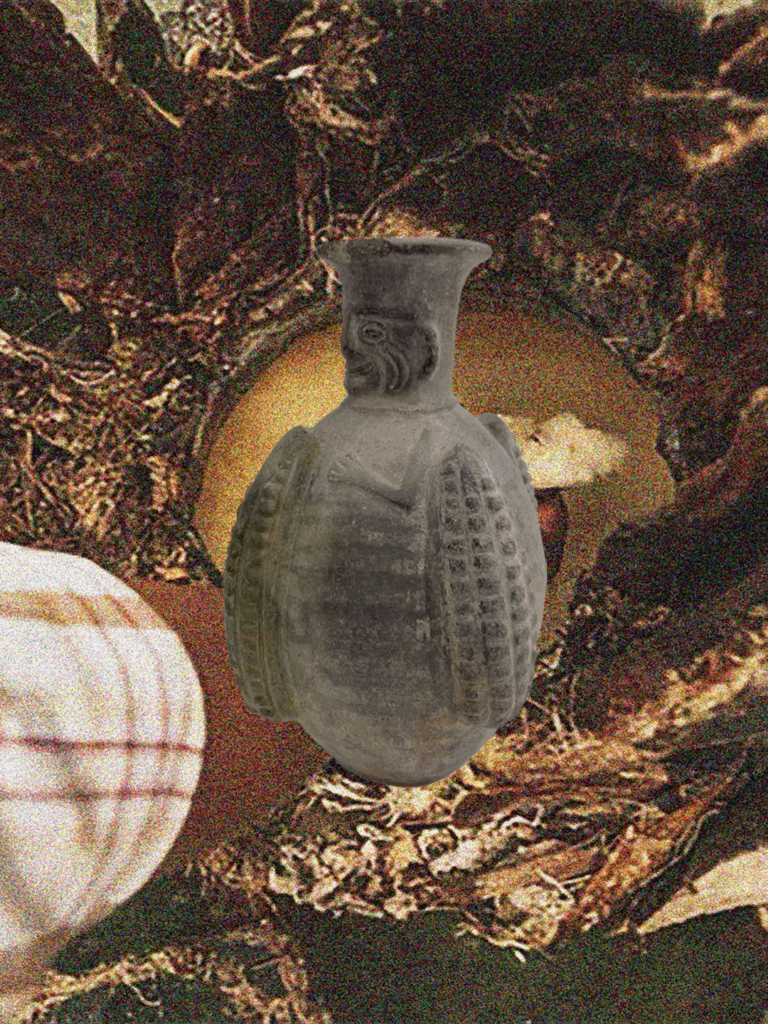
Emiliano used his time there to develop a project called Future Cultures: Fermentation Beyond Food Preservation, in which he explored how fermentation can become a design strategy for adapting staple ingredients in response to environmental, agricultural, and economic uncertainty.
“This project reimagines fermentation not simply as a method of preservation but as a way to extend the functionality, resilience, and cultural relevance of these everyday ingredients.”
Emiliano Hernandez Sánchez
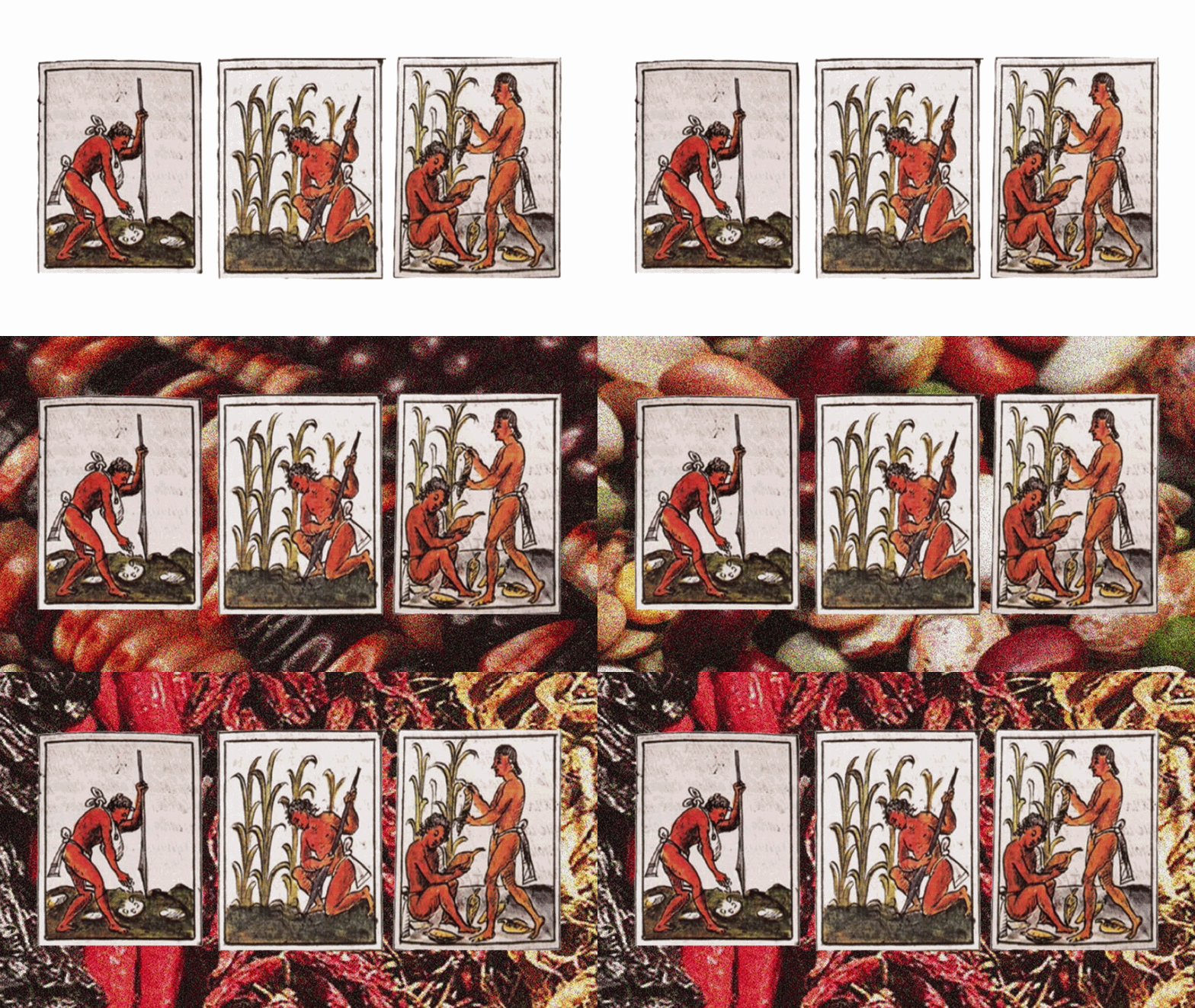
“Grounded in the context of maize, beans, and chile in Mexico, the project reimagines fermentation not simply as a method of preservation”, he says, “but as a way to extend the functionality, resilience, and cultural relevance of these everyday ingredients.” “Rather than proposing new foods,” he adds, “it designs the conditions through which staple ingredients can transform, be dried, stored, and later reactivated.”
The SPACE FOR FOOD sees food as “revealing the entangled complexity of our contemporary world: from global supply chains and agricultural technologies to cultural practices, rituals, and the impact of food on both human and planetary wellbeing, food plays a significant role in shaping the world we want to live in.” Therefore, inviting an experimental design approach to investigate how food practices could become more resilient and sustainable.
“For design education, food offers a tangible way to engage with complexity and to expand our understanding of what a designer’s role can be.”
Johanna Schmeer
“The Space for Food is a working group within SBYD.SPACE that uses food as a lens through which to explore wider social, ecological, and political questions”, says its Director Johanna Schmeer. “Emiliano’s residency reflects the kind of practice we want to support: designers working not only as makers, but also as investigators and collaborators across disciplines”, she continues, “Food is particularly interesting in this respect because it brings together economic, social, cultural, and technological dimensions. For design education, food offers a tangible way to engage with complexity and to expand our understanding of what a designer’s role can be.”
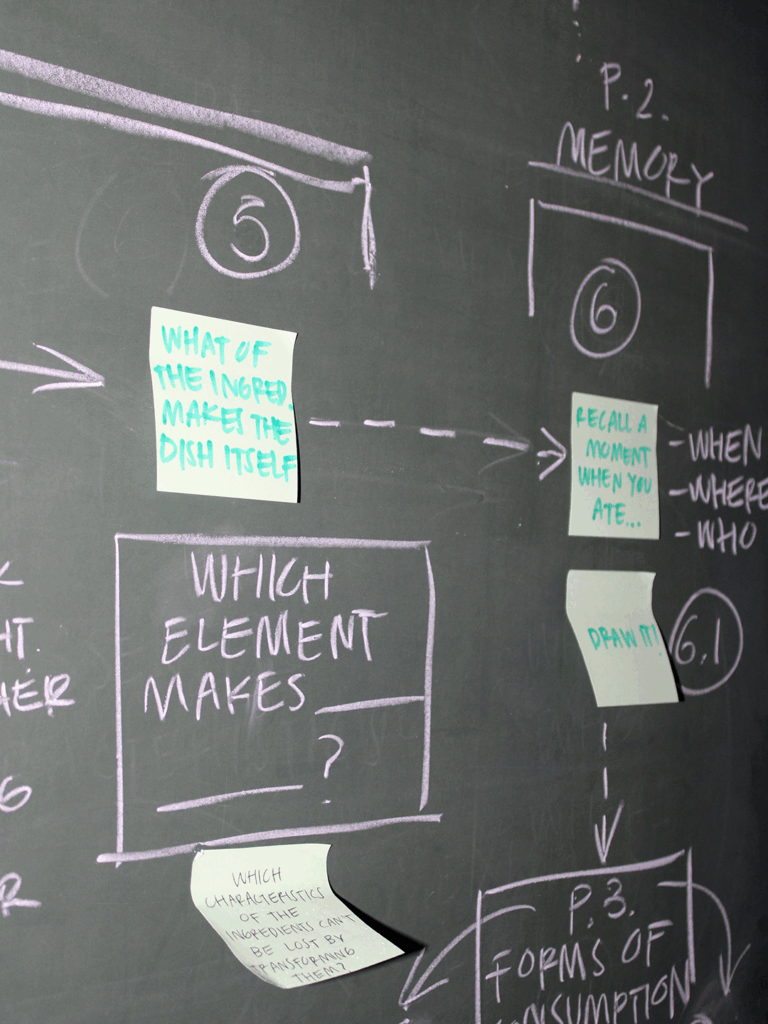
Emiliano’s project translates each staple ingredient into a distinct functional system. Maize becomes a starter, carrying living cultures that activate future fermentations,” he explains, ”beans become a stabiliser, providing structure and consistency; chile becomes a concentrate, intensifying flavour, acidity, and preservation. Through fermentation, these familiar ingredients acquire new roles while remaining rooted in their original identity. Drying them then temporarily pauses these transformations, allowing them to be preserved, transported, and reactivated when needed, making fermentation compatible with contemporary conditions of limited time, space, and resources.”
The goal of the Future Cultures project for the designer is to make fermentation tangible as an accessible system through familiar food ingredients. He hopes that it invites people to reconsider how staple ingredients can evolve while preserving the cultural knowledge and practices they are part of.
Title image courtesy Emiliano Hernandez Sánchez