Kris Hall is the founder of The Burnt Chef Project. In seven short years, what started as a series of chef portraits has grown into an internationally networked organisation helping people in the hospitality industry with their mental health, whilst offering training and counselling to create healthier workplaces. An interview by Ševko Topčić.
Ševko Topčić: Before we dive into how you break down the stigmas and the barriers around mental health in the gastronomy industry, I would like to ask: why did you choose to focus on chefs?
Kris Hall: I was never a chef; I enjoy cooking, but I have never worked in a commercial kitchen environment. My background is in sales and marketing, and I’ve worked in a variety of sectors, from insurance to travel bars and nightclubs. But it wasn’t until I fell into hospitality full-time, as a supplier to the fine dining trade, that I walked into this back-of-house world of professionalism and creativity and drive – I’d never seen passion like it, ever.
When I had my own experiences with mental health issues and tried to talk to people – my clients and my friends who are chefs – they said things like, “We don’t talk about this,” or, “If we tell people about this, we’ll be seen as weak, or we’ll lose our jobs”. I said, “pardon my French, but that’s fucked. How do you guys cope with not talking openly about the subject matter?” And they went, “Well, we take drugs, we drink a lot, we work harder, we don’t see our families, we experience divorce, we have high turnover rates, all of this sort of stuff.” And I was like, “That’s not sustainable.”
“If we tell people about this, we’ll be seen as weak, or we’ll lose our jobs”
So I learned very early on that men – or rather chefs, because to be honest with you, gender has nothing to do with it when it comes down to working in hospitality in general, we are in the service of others – put the mask on, and provide the best experience, the best food, the best culinary delights, the best experiences for their guests. We often tell ourselves that to do that, we have to be non-human and keep pushing through. So there’s machismo, there is stoicism, there is denial of the fact that you’re a human being with feelings, thoughts, energy and health to maintain, as well as relationships.
It seems to be a common culture across the global industry, this attitude of “Let me provide for other people, my team and my customers by setting myself on fire; let me keep others warm by being the one in flames”. It’s a martyrdom that doesn’t make any sense. That is the backstory to why the Burnt Chef project started. I could see the impact this culture was having, not just on individuals, but on the sector as a whole, and I wanted to do something about it. That’s been our challenge, and we’ve managed somehow over the last seven and a half years to generate a significant amount of traction to start that conversation.
This attitude of “Let me provide for other people, my team and my customers by setting myself on fire; let me keep others warm by being the one in flames”. It’s a martyrdom that doesn’t make any sense.
Ševko Topčić: So with the Burnt Chef Project, you are not just helping a few famous head chefs who can’t cope with their emotional state, you’re also helping people who may have chosen this profession, not out of passion, but out of necessity. Both in the kitchen and front of house, right?
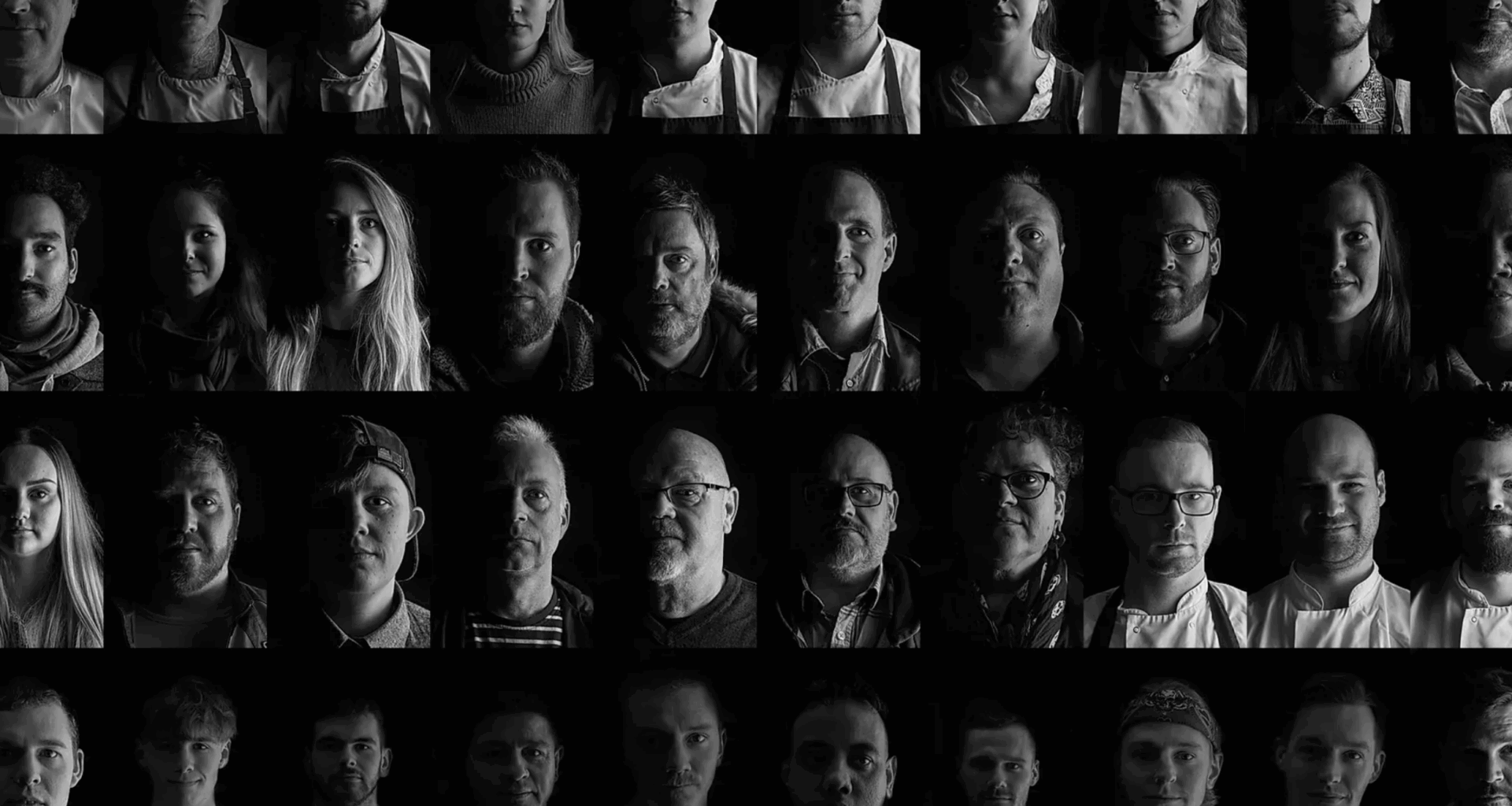
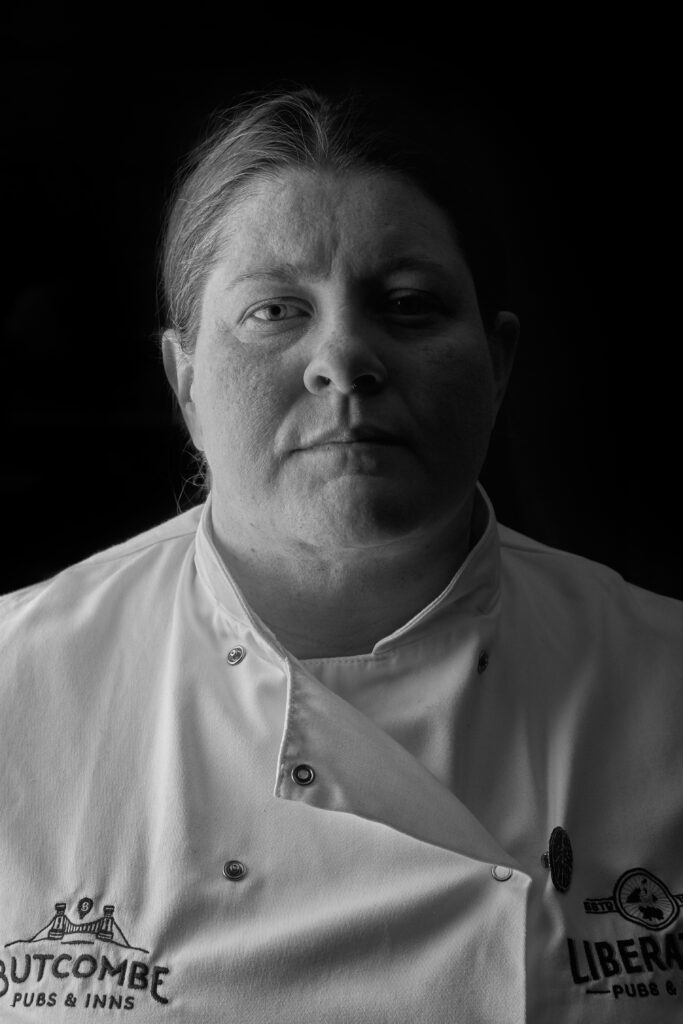
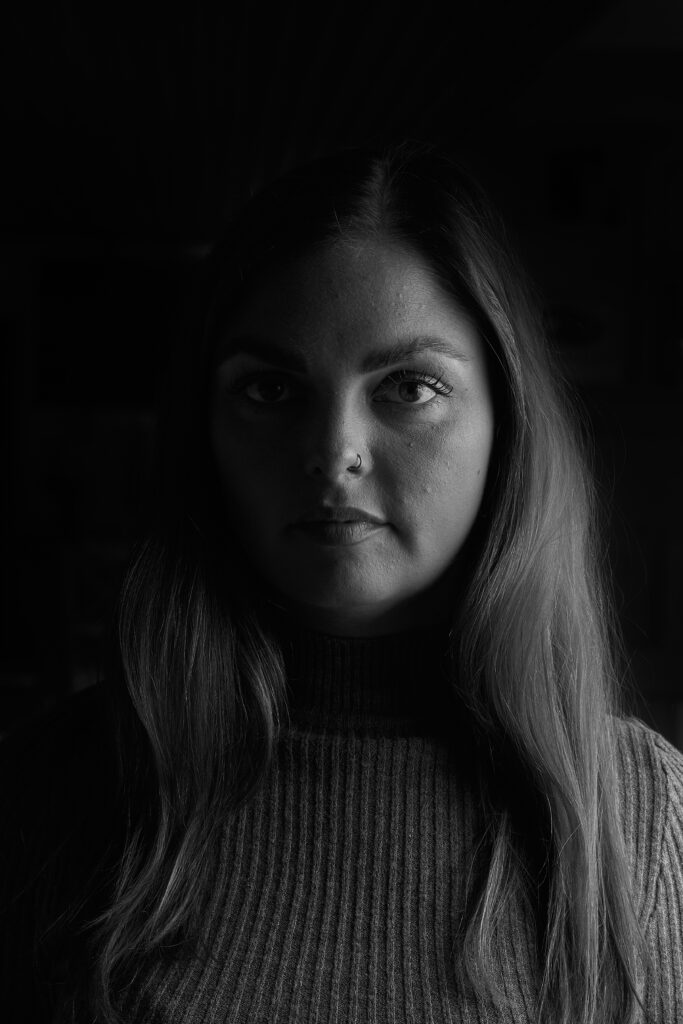
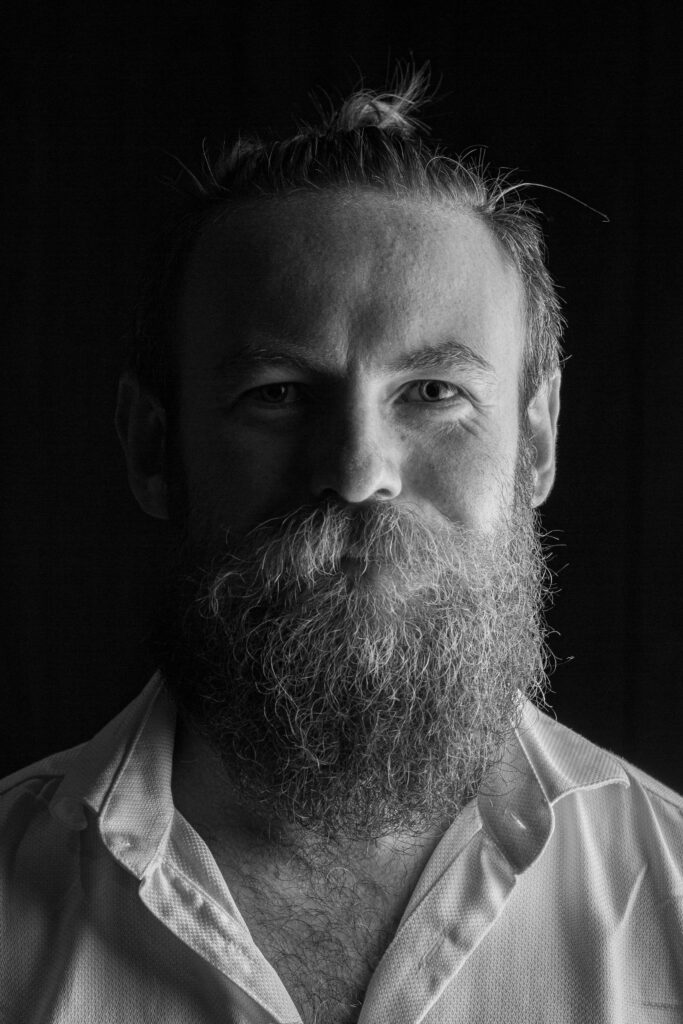
Kris Hall: It’s the entire ecosystem. The Burnt Chef Project name originates from a photography campaign that I started. I took around 200 portraits to generate a conversation, and I chose to photograph chefs because, initially, they were the people who fascinated me. The series was an attempt to communicate with a profession that historically hadn’t spoken about mental health. But the chef-led project rapidly grew into something that covers not just chefs but front of house, servers, maître d’s, baristas, mixologists and operational teams as well. It also includes the C-suite and the middle management, who have pressure from above to perform and targets to reach, whilst also trying to maintain a good culture, good retention, and hire new team members.

We also work with the supply chain: food wholesalers and equipment manufacturers around the globe. Throughout the hospitality ecosystem, there are so many people who need open conversation, support systems and education around mental health that the Burnt Chef Project has developed to cover all of those sectors and professions as well.
Ševko Topčić: A lot of it has to do with pressure, right? And pressure usually doesn’t come from the bottom; it starts from the top. If a C-level person in a restaurant is in bad mental health, chances are very high they’re going to pass that down. How do you work with that? For example, it doesn’t really change the ecosystem if you teach a dishwasher how to take care of his mental health, when the reason for his bad mental health may not be in his capacity to change.
Kris Hall: What a great question. Originally, when I started the Burnt Chef Project, my mission statement was, “Let’s get everyone working three days a week, having four days off, and it will solve this crisis.” Which sounds great, but then I came across some issues. Firstly, family-run businesses couldn’t afford to take that hit financially. Secondly, there are people who find working long hours cathartic. Or they want to earn money to provide for their family, so restricting their ability to work does more harm than good.

So I started looking at other approaches, such as directly providing crisis intervention services, or educating individuals to recognise the signs and look after their health and well-being. It can be simple things like drinking enough water, getting restful sleep, taking time off to walk through nature… these are skills that many of us have never been taught, certainly not in many Western cultures.
It can be simple things like drinking enough water, getting restful sleep, taking time off to walk through nature… these are skills that many of us have never been taught.
But in some situations, it is actually the work environment that is not conducive to mental health. Why is that? We are an industry with one of the most prolific turnover rates. We’ve worked with organisations that, on the good side, have a turnover rate of 70 per cent over the year. On the really poor side, they have 300 to 400 per cent turnover rates a year. To put that into context, for every 100 people that work in your organisation, you would expect to lose 70 of them each year, which means you have to rehire.
Because of this high turnover, a lot of people get promoted quickly. IHospitality is one of the only professions where you can become an operations director before you’re even 30, running multi-million-pound budgets. That’s brilliant, right? But it can also mean you’re expected to step up into these roles, look after a team, know what to do when things go wrong, know how to manage budgets, know how to fix conflicts, know how to recruit, interview, hire, and a whole plethora of different things without any experience or formal training.
Ševko Topčić: The problem can also lie with the owners as well, right?
Kris Hall: Yes, owners as well. You don’t need a qualification or experience to own a hospitality business. You can come in with a 50, 250, 500,000 Euro budget, and the next day you’re a restaurateur, without any understanding of how a restaurant business operates.
To be able to provide a long-term, sustainable fix to the mental health crisis in hospitality, we need to provide leadership training and management qualifications. We are now able to do this with 18-month apprenticeships across Europe for people to learn how to manage budgets, people, themselves, how to project-build, how to be aware of their emotional intelligence, how to handle conversations confidently and empathically, and so on. These are the skill sets that our hospitality leaders need to be more resilient and have a greater impact on the industry.
“We need to get people coming into the sector aware of this subject matter, aware the dangers of chronic stress, to learn how to of look after themselves, and identify what good work culture is.”
We need to get people coming into the sector aware of this subject matter, aware of the dangers of chronic stress, to learn how to look after themselves, and identify what good work culture is. We need to support people so they don’t continue to get unwell, and also gain the tools, the knowledge and understanding to look after themselves and build a healthier future. And we also need to tackle operational effectiveness to ensure people want to stay in the organisation and not leave within three months.
So it’s a top-down, bottom-up, middle-of-the-range issue; everything has to be tackled all at once. Some are quick fixes, some are generational fixes; the Burnt Chef Project has become quite a complex beast.
Some are quick fixes, some are generational fixes; the Burnt Chef Project has become quite a complex beast.
Ševko Topčić: How do you cope with your own workload without overloading yourself? How do you take care of your well-being whilst taking care of other people’s?
Kris Hall: Seven years ago, it was just me taking photos in my spare time. Then all of a sudden, I was rescuing people in crisis at three o’clock in the morning. It overloaded me, so rather than go, “this is too much, I can’t do this”, I was pragmatic and asked myself: “What service provisions can we put in place so that I don’t have to be the one who’s physically there to rescue people all the time?”
The next problem was the lack of education in the sector. I can only give so many talks or webinars a week. So we put e-learning resources into place that have now been accessed over 80,000 times in three years. Next, we built an ambassador network of volunteers all the way across America, Canada, Antarctica, Colombia, Norway, Durban, Australia, and New Zealand to support the students.
Every time you see the Burnt Chef Project leap forward, it’s usually because I’ve experienced a wobble with my own health. We grow with each other; it’s a symbiotic relationship.
Every time I come under an increased level of pressure, I do take a hit. I have experienced burnout whilst doing this, even as recently as this year, after a very busy summer. Expert is not a term I’m comfortable with, but I would say I’m now more experienced at identifying when I’m starting to flag early. Rather than waiting for it to get too bad, I can step in and intervene myself, so I have a good level of emotional intelligence from that perspective and an understanding of myself and my triggers as well.
Every time I experience these pressure points, it then forces me to think about solution-focused ideas. How do I stop this from happening again? The Burnt Chef project isn’t just a nonprofit organisation that I set up. It is an extension of my personality, and every time you see the Burnt Chef Project leap forward, it’s usually because I’ve experienced a wobble with my own health. We grow with each other; it’s a symbiotic relationship.

Ševko Topčić: What about your team?
Kris Hall: All my team members have unlimited holidays and flexible working patterns. They can work remotely. They can work in the office, if they feel like they’re not performing at their best, and they take a day off paid it’s absolutely fine, because I understand that to look after my team’s energy and to look after them means a) they will stay for a long time, and b) I get the most out of them when they’re here.
Ševko Topčić: What’s your retention rate?
Kris Hall: In the last seven years, we’ve lost three people. So my retention rate must be 85% retained, 15% turnover. But the interesting thing about the individuals we lost is that they took themselves out of the business within three months. It wasn’t down to pressure; it was because the culture of the organisation is strong, and they went, “I don’t think I fit in here”, which is fine. Ultimately, employment isn’t “I own you” or “the employee owns the business”; it’s a mutual agreement.

Ševko Topčić: Let’s talk about the word “no”. I feel like there is a healthy power in a well-placed “no”, but people in the hospitality business work with guests, and it’s part of the culture that you feel obliged say “yes” a lot of the time. Do you agree?
Kris Hall: 100% yes! I would challenge anyone who is reading this to try respectfully (not aggressively or emotionally) saying “no” to something small, without apologising for it. Just being able to say, “No, thank you”, and leave it there is a lot harder than people think. You might get a table of 20, walk in when they booked for six, for example, and we’ll say, “Yeah, we’ll fix that for you, don’t worry.” No, is not a word that exists in our vocabulary. It’s part of that “setting ourselves on fire to keep others warm” mentality, when actually, you have to be selfish sometimes. You have to be able to protect your own boundaries and know what serves you. Saying “no” is the first step in that.
You have to be able to protect your own boundaries and know what serves you. And saying no is the first step in that.
Ševko Topčić: How would you advise a young chef who has experienced hardships in various kitchens to find a good place to work?
Kris Hall: Before Covid, and definitely post-Covid, everyone said hospitality is a terrible place to work, no one should work there. That situation is changing. Now there is less abuse – less, not none. There are better cultures. And more focus on employee well-being and work-life balance, although we’re still getting there.
There’s one small thing that I do, whenever I go to a restaurant or a client, where possible: I’ll say, “Can I use your toilet, please?” And they say, “Yeah, sure, the customer toilets are through there”. And I’ll say, “I don’t want to use your customer toilets. I want to use your staff toilets.”
Ševko Topčić: Oh, that’s a very good answer.
Kris Hall: I’m not interested in your customer toilets. I want to see how your team are taken care of, and if they have a really dusty, dank, unpainted, mouldy bathroom, that is what you think of your employees. I also think recommendations are important. If you have friends who work in the sector, ask them what it’s like to work for your employer.
We have designed a new workplace certification scheme that we will be launching in 2026. It reflects our expectation of what creates a healthy workplace: training, education, the right policies, the right time off, the right to work, the right rest periods, and the right conversations around subjects such as menopause or diversity and inclusion. What makes it great is that it’s not just what an employer tells us based on the paperwork they submit; we also speak to their teams anonymously, and we verify all that information.
There’s a small fee for businesses, but we hope it will allow the little family restaurant to compete in the same league as, say, a Hilton. So when you’re looking for job opportunities, you can go for that gold- or silver-standard organisation, no matter what size, because their teams have confirmed it’s a great place to work.
We, the 72 million of us working in hospitality worldwide, can change this.
The focus in hospitality has always been on customer experience and guest satisfaction, but it’s been completely warped. It should be on staff satisfaction and experience. Because if your team are happy, they’ll stay for a long time and feel recognised, rewarded and seen as human beings: They are also more likely to go and tell their friends. It will save employers so much money on recruitment, turnover costs and marketing because your culture will do the hiring for you.

Ševko Topčić: Would you then say that the responsibility for changing the conditions in this industry lies with the leadership?
Kris Hall: The Burnt Chef project is a grassroots community organisation. It started with individuals calling me in to take their photos and tell me their stories. We are going through an exciting change in hospitality, one that hasn’t been seen since the Escoffier system came into place. We are becoming a more professional, more balanced, more appetising workplace that ultimately will allow us to continue to grow. It’s so evident that we’re going through that transition now. So I would say, yes, if you’re a manager, educate yourself, because change is coming, but also from the community level. We, the 72 million of us working in hospitality worldwide, can change this.
Kris Hall is the CEO and founder of The Burnt Chef Project, a registered global nonprofit social enterprise dedicated to stamping out mental health stigma within the hospitality industry through education and awareness and providing support to those who may be struggling with their wellbeing. Launched in May 2019, The Burnt Chef Project offers a range of workplace training programmes, as well as a Free Mental Health Support Service, 24/7, worldwide, for people in the industry.
Ševko Topčić lives in Berlin and works at the intersection of curiosity, craft, and hospitality. He engages with supply chains, product sourcing, sustainability, and the structures that shape hospitality in a continuous exploration of how gastronomy can become more thoughtful, resilient, and alive. As well as working closely with restaurants to rethink how they cook, source, and serve, he also tends a small garden, sources rare seeds, keeps bees, and ferments anything that can be transformed.
Title image @ Kris Hall, The Burnt Chef Project