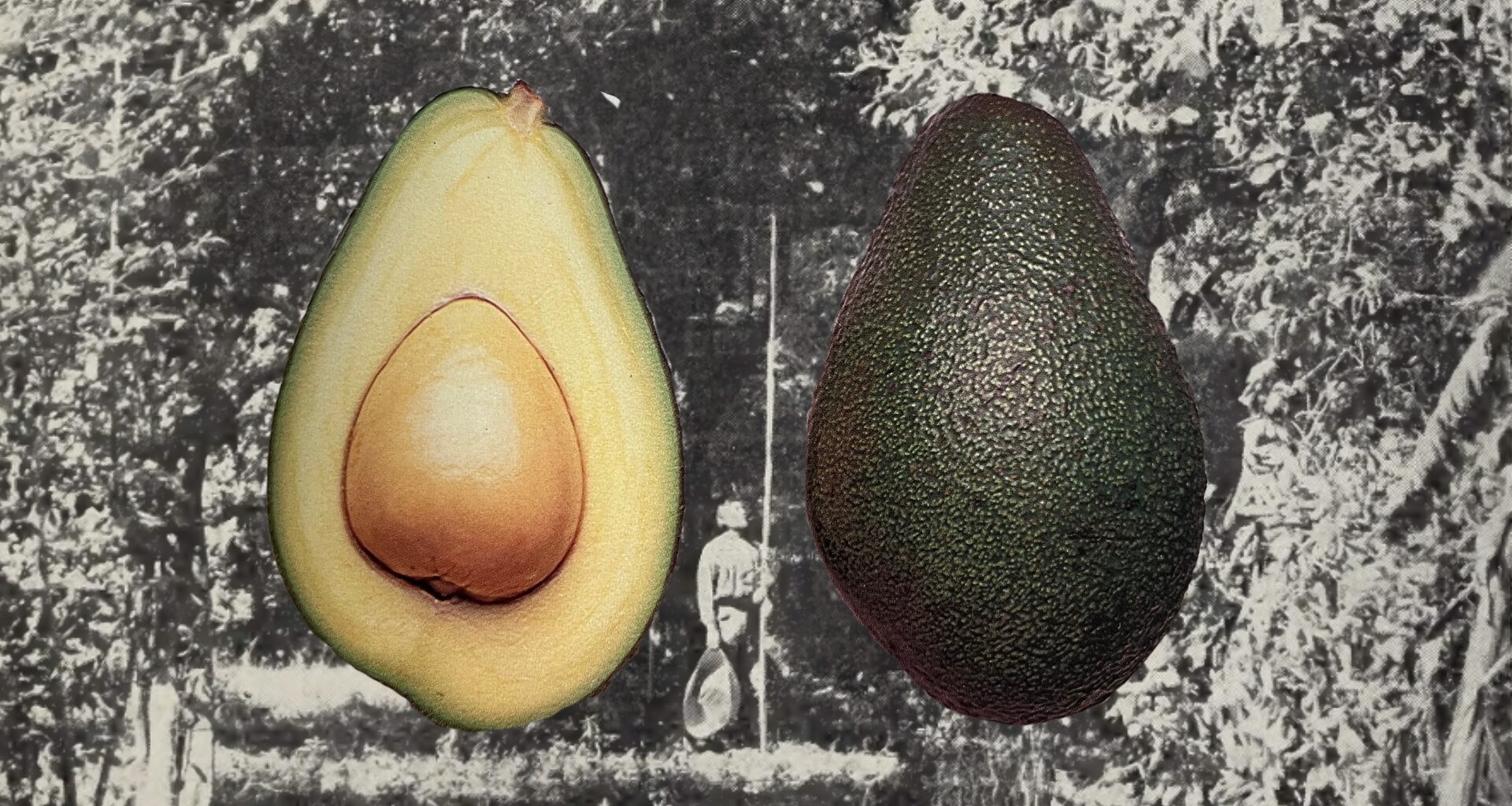
What has to disappear for an avocado to be ordinary? Chef and writer Nathan Farrell traces the system of an avocado from fork to farm.
There is a short window in the life of an avocado when everything is right.
The skin gives slightly beneath the thumb. The knife passes cleanly around the stone. Twist the halves apart, and the flesh is green, yellow, buttery and soft enough for a spoon, but not yet collapsing into the brown threads that announce you have waited a day too long.
Miss that moment and the fruit can be remarkably unforgiving. Buy it too hard, and it may sit on the counter like a green stone. Forget about it for a few days and what looked perfect from the outside opens into expensive compost.
Yet somewhere along the way we have made this temperamental fruit ordinary.
Here in Dublin, avocados sit beside tomatoes and onions under supermarket lights, available through seasons and weather that have little connection to the places in which they grew. Some arrive hard. Some are labelled ready to eat. We pick them up, squeeze gently, make our judgement and move on.
That simple act hides an extraordinary amount of work.
The Hass Avocado Board’s quality manual reads almost like choreography. Fruit moves through packing houses, transport, distribution centres, repackers, ripening rooms and retail. Hard fruit can be conditioned with ethylene before sale. Temperature is watched. Bruising is watched. Ripeness is watched.
What looks natural is, in fact, carefully produced.
So I began to wonder what would happen if the journey were followed in reverse.
Not from farm to fork.
From fork back to farm.
I began to wonder what would happen if the journey were followed in reverse.
Start at the shelf and the avocado first becomes a logistical problem of time.
The fruit is still alive, softening after harvest in response to temperature, ethylene, handling and time. The ripe avocado I want tonight has therefore been anticipated somewhere upstream by people I will never meet.
Before the shelf there may have been a ripening room. Before that, cold storage and distribution. Before that, transport. Somewhere further back, a packing house.
The Food and Agriculture Organization’s post-harvest guide describes fruit being weighed, cleaned and sorted according to quality and destination. Size matters. Shape matters. Damage matters. Defective fruit can be discarded before packing, while rough handling can push others below export quality.
The perfect avocado is therefore partly produced by the disappearance of imperfect ones.
At each stage another judgement is made about whether the fruit is still worthy of becoming the avocado at the end of the chain.
The avocado on the shelf is not merely grown.
It is selected into existence.
But there is another kind of selection hidden inside that sentence.
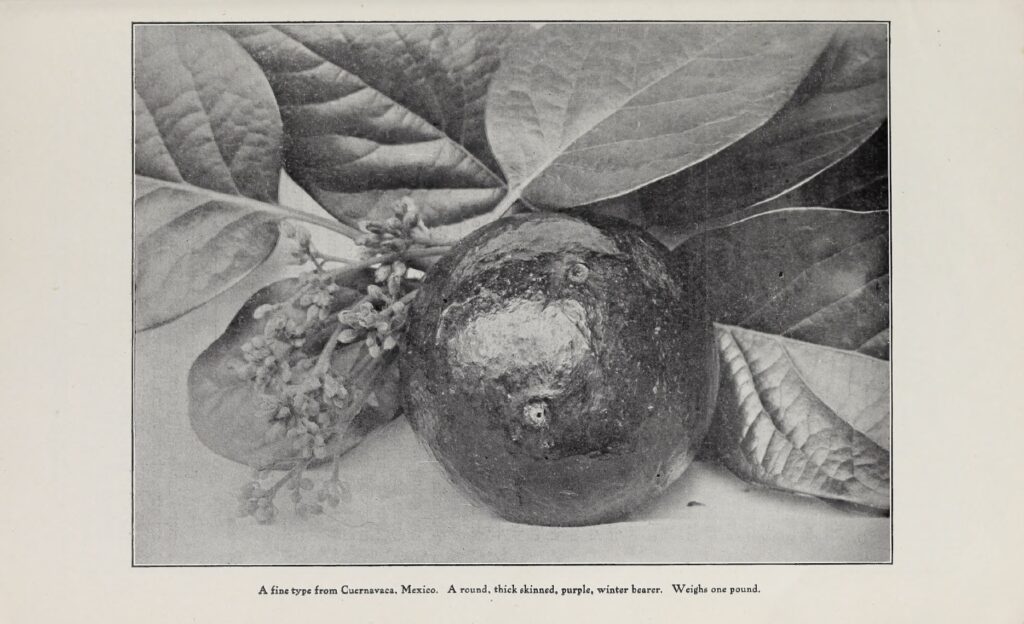
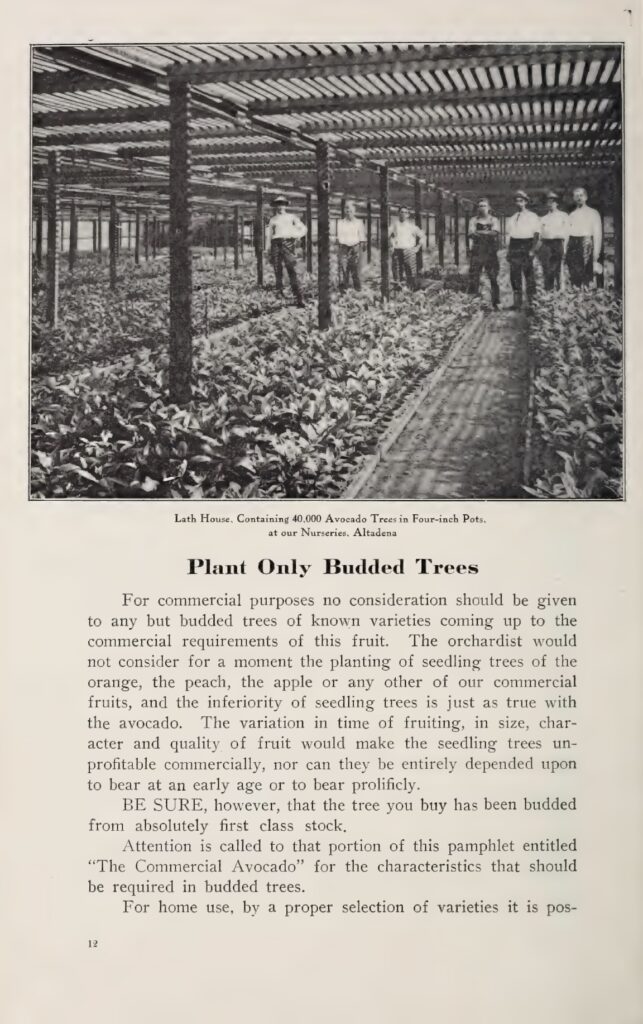
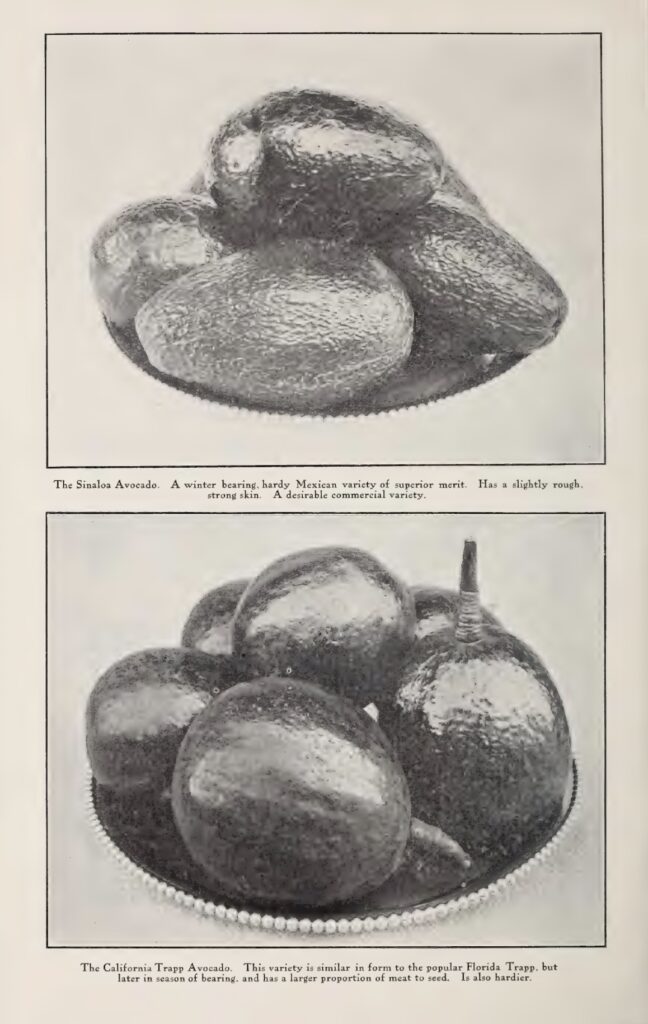
Avocado breeders call the different types cultivars. Several hundred named cultivars have been bred in the United States alone, layered over a much older history of selection in Mesoamerica. Yet roughly nine out of ten avocados moving through global export markets are Hass.
There are practical reasons. Hass stores well, survives shipping and darkens as it ripens, signalling readiness while disguising minor imperfections.
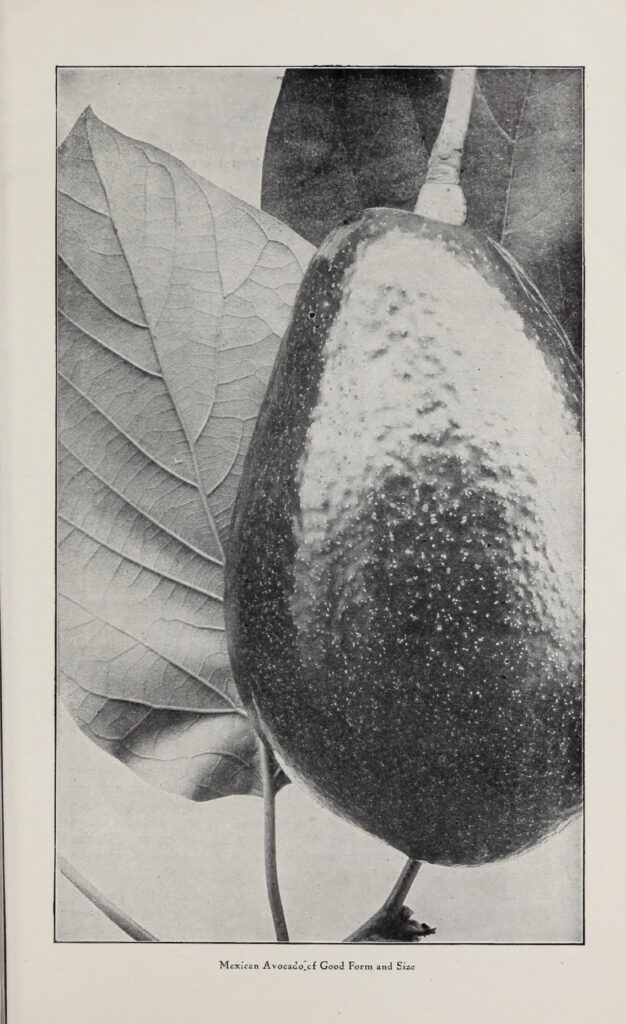
It is unusually good at travelling.
A chance seedling in California became the template for a global commodity.
The global market did not simply discover the perfect avocado.
It helped decide what perfection meant.
That success has consequences. Hass trees are propagated clonally, which means they are all pretty much genetically identical. Researchers warn that dependence upon one cultivar narrows commercial genetic diversity and increases vulnerability to disease, pests and environmental stress. UC Riverside researchers call it a “cultivar monoculture”. Their tasting work suggests something more intimate: people value the flavours, shapes and textures of other cultivars.
The diversity still exists.
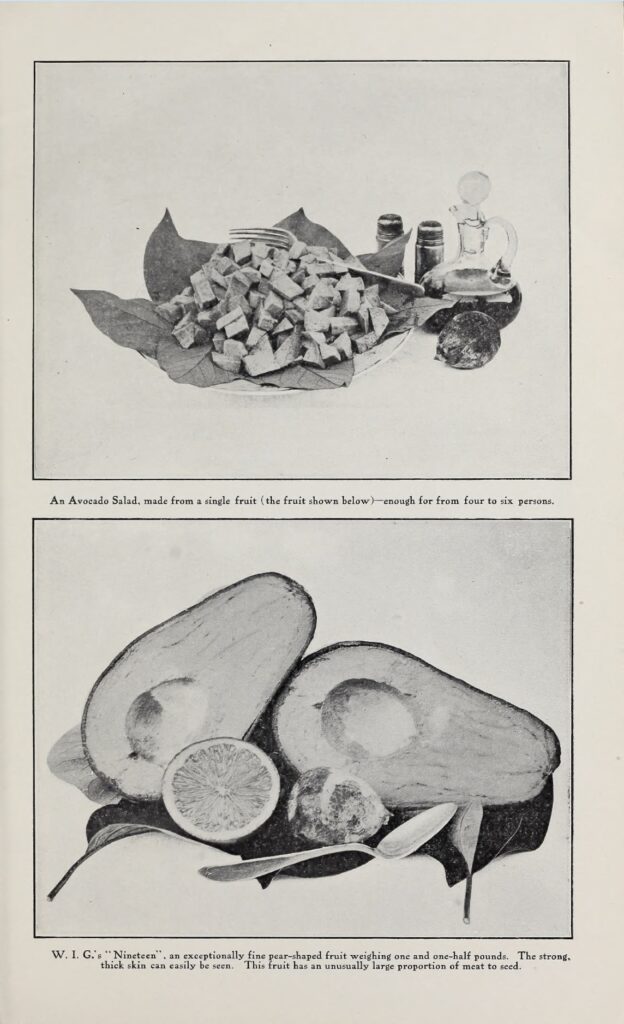
The export market simply asks us to encounter very little of it.
Travel backwards again and the fruit reaches a border. The avocado becomes a shipment, a phytosanitary risk, a grade, a certificate, a traceable commercial object.
The flesh remains the same.
The language around it changes completely.
Eventually paperwork returns us to hands.
The avocado becomes a shipment, a phytosanitary risk, a grade, a certificate, a traceable commercial object.
Avocados mature on the tree but ripen after picking. Harvest too early, and they may fail to ripen properly; too late and storage life suffers. The fruit is clipped and protected from falls and heat.
The stages still to come are already present at the moment of harvest.
A picker removes an avocado from the tree.
The supermarket is already there.
The ripening room is there.
The border is there.
My thumb, eventually judging softness, is there too.
There is something remarkable about this machine.
It works.
Fruit crosses continents and arrives in sufficiently predictable condition that the most visible failure of the system may be a customer cutting open an avocado a day too late.
The most visible failure of the system may be a customer cutting open an avocado a day too late.
Modern food systems are very good at making distance disappear.
The problem begins with what else disappears with it.
One route through this enormous economy leads to western Mexico.
Not because Mexico is uniquely broken, but because it is the world’s largest producer and the collision between export agriculture, environmental pressure, organised crime and regulation there is unusually well documented. Production is forecast at 2.8 million tonnes for 2026, around 85 per cent of it from Michoacán and neighbouring Jalisco.
Michoacán lies within the Trans-Mexican Volcanic Belt, where volcanic soils, elevation and overlapping flowering seasons allow production through much of the year.
For an international market that rewards dependable supply, these are extraordinary advantages.
They also concentrate value.
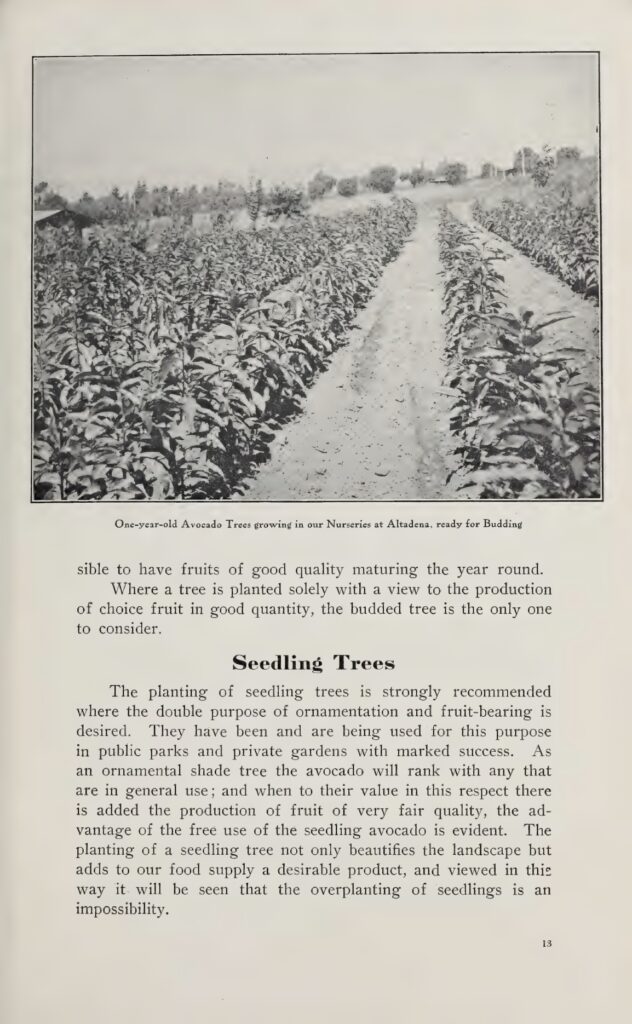
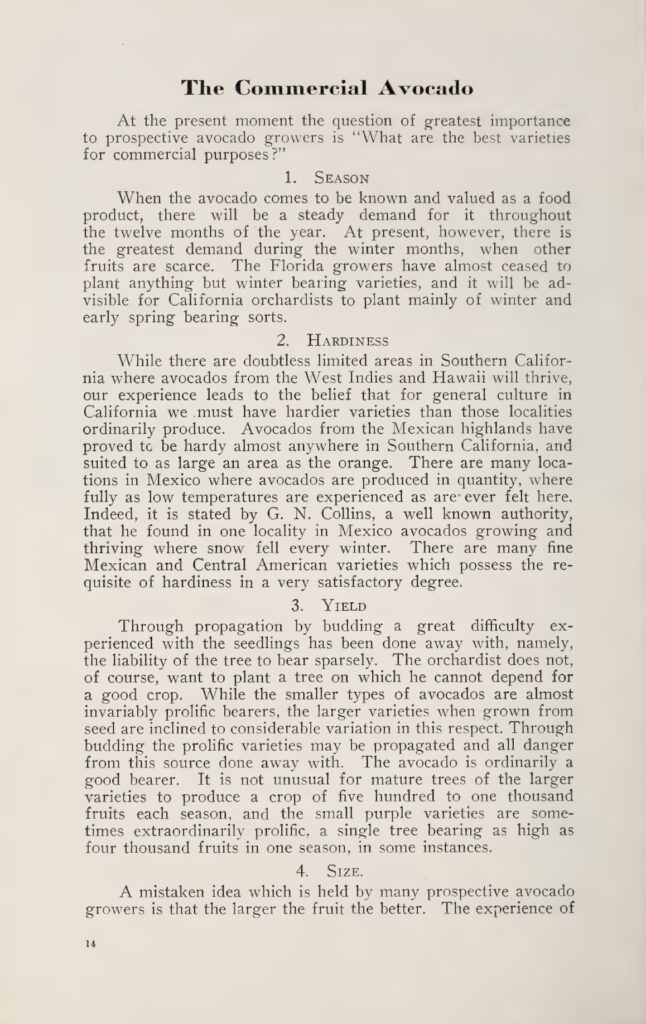
In 2021, Kimin Cho and her colleagues reconstructed supply chains linking Michoacán with major US retailers and estimated that roughly one-fifth of deforestation in the state between 2001 and 2017 was associated with avocado expansion.
Opacity becomes less abstract when a forest becomes an orchard.
Fruit needs land.
It needs water.
It needs roads.
It needs packers, trucks and access to export markets.
Fruit needs land. It needs water.
It needs roads. It needs packers, trucks and access to export markets.
Yet the story is not simply destructive agriculture. Avocado expansion has brought employment and economic opportunity, while benefits and ecological costs are distributed unevenly. Denvir and her colleagues found increased employment and reductions in poverty and out-migration alongside continuing inequality.
A commodity can improve livelihoods and create new vulnerabilities at the same time.
Whether those gains remain gains as extraction intensifies is another question.
In Michoacán, they call the avocado green gold.
Like many nicknames, it explains more than it intends.
Economist Ruth G. Ornelas examined how Los Caballeros Templarios, the Knights Templar cartel, extracted rents from Michoacán’s avocado economy. Through corruption and collusion, it gained access to municipal plant-health permits, giving it what Ornelas called a complete “x-ray” of avocado orchards.
An orchard becomes more than trees.
It becomes information.
Information intended to make agriculture visible to regulation can also make producers visible to predation.
An orchard becomes more than trees. It becomes information.
Political scientists Chelsea Estancona and Lucía Tiscornia push this beyond extortion, describing criminal organisations moving into picking schedules, packing, transport and land.
This is where the language of cartels “entering” the avocado trade begins to feel too clean.
It implies two systems.
One licit.
One illicit.
The more uncomfortable possibility is that criminal power learns the architecture of the legal economy. It finds the harvest, the paperwork, the roads and the places where value accumulates.
Then another thread appears.
In 2025, economist Itzel De Haro examined what happened as fentanyl displaced heroin in the United States. As heroin demand declined, avocado-growing municipalities saw increases in homicide, including among agricultural workers, and truckload theft, without a corresponding increase in cartel presence.
A synthetic opioid and an avocado need never occupy the same room.
Economically, they can still touch.
Yet even here the story refuses to behave neatly.
Economist Christian Arciniegas found that municipalities more suitable for avocado production saw reductions in homicides and cartel attacks after the US market opened. Highly export-oriented municipalities did not, instead seeing more cartel attacks, threats and property crime. His narrower export findings require caution.
More avocados does not simply equal more violence.
Nor does more trade automatically mean less.
The relationship depends upon where value gathers, who can reach it, and what institutions surround it.
The alternative is to turn Mexico into scenery for somebody else’s morality play.
Good farmer.
Bad cartel.
Guilty eater.
Reality is less cooperative.
Violence does not become more serious when we simplify it.
It only becomes easier to consume.
We have reached the orchard.
Now turn around.
The avocado begins moving towards us again.
Tree to picker.
Picker to packing house.
Packing house to truck.
Truck to border.
Border to distribution.
Distribution to ripening room.
Ripening room to supermarket.
And with every movement, something is translated.
Forest becomes land.
Water becomes an input.
Labour becomes cost.
Threat becomes risk.
Diversity becomes consistency.
Fruit becomes grade.
Orchard becomes consignment.
By the time it reaches the consumer, almost none of the world we have travelled through is visible in the fruit itself.
An avocado does not confess.
There is no dark ring in the flesh for a threatened grower. No bruise corresponding to a cleared forest. No change in colour because water was diverted somewhere upstream.
An avocado does not confess.
There is no dark ring in the flesh for a threatened grower. No bruise corresponding to a cleared forest.
We have become extremely good at measuring the avocado.
Dry matter.
Size.
Maturity.
Residues.
Temperature.
Defects.
Shelf life.
There is no commercial grade for fear.
Calling Mexican avocados “blood avocados” may fit the problem inside a headline, but it turns growers into victims or accomplices, communities into cartel territory and a country into a warning label.
Then the consumer is offered the most familiar role of all.
Choose.
Buy this one.
Do not buy that one.
As though moral clarity were another quality grade.
It would be comforting if the avocado were exceptional.
It is not.
Kenya does not look like Michoacán.
In 2025, Kenya was Africa’s leading avocado producer and exporter and the world’s sixth-largest producer. Its industry remains predominantly smallholder-based, while Hass accounts for most exports.
Data from the middle of the last decade showed local varieties accounting for about 70 per cent of Kenyan production, Fuerte around 20 per cent and Hass around 10 per cent. Yet Hass earned better prices and dominated the European export market. Farmers were already shifting towards it.
Farmers linked to export buyers received better prices and reported higher quality.
They planted more trees.
More specifically, they planted more Hass.
The contracted companies wanted Hass because the export market wanted Hass.
But costs rose too, and researchers found no significant improvement in household income or other welfare measures.
Mexico and Kenya are not the same story.
That is precisely the point.
In one place, concentrated commodity value can offer opportunities for criminal capture. In another, contracts, standards and prices reach backwards into smallholder orchards and influence which trees get planted.
The supermarket does not merely receive agricultural production.
Its preferences travel upstream.
In 2025, the Netherlands was Kenya’s largest avocado export destination.
And this is why the avocado cannot be exceptional.
Follow almost any globally traded food far enough backwards and the object begins opening into relationships.
Coffee leads somewhere.
Cocoa leads somewhere.
Wheat and beef do too.
Commodities can arrive carrying remarkably little visible evidence of the worlds that produced them.
Their histories are not interchangeable. But commodities can arrive carrying remarkably little visible evidence of the worlds that produced them.
The supermarket reduces enormous networks into objects small enough to hold.
Price.
Weight.
Origin.
Grade.
Perhaps a certification mark.
Everything else has to be reconstructed.
Not concealment exactly.
Compression.
A landscape becomes an ingredient.
Labour becomes cost.
Water becomes yield.
Politics becomes risk.
Hundreds of avocado cultivars become Hass.
And eventually all of it becomes dinner.
The obvious response is visibility.
Know where your food comes from. Demand traceability. Buy certified.
Those things matter.
But visibility presents a harder problem.
And still the fruit arrives.
That contradiction became almost literal in August 2026, when security concerns halted US avocado inspections in Michoacán. Security forces moved in while the industry reassured buyers that fruit already in the supply chain would limit disruption.
Inspections stop.
Troops arrive.
The fruit keeps moving.
The system had not hidden the disruption.
It had absorbed it.
Perhaps I had the problem backwards.
Perhaps the food system does not depend upon us knowing nothing.
Perhaps it only depends upon what we know changing very little.
Visibility changes a system only when seeing creates enough friction to alter how power, value and responsibility are distributed.
Otherwise the system can learn to carry criticism along with everything else.
Visibility changes a system only when seeing creates enough friction to alter how power, value and responsibility are distributed.
Boycott offers no clean escape either. Growers, pickers and packing-house workers depend upon the same commodity income from which others can extract value.
And by the time someone is squeezing an avocado beside the tomatoes, many of the consequential decisions have already happened.
Trees have been planted.
Exporters have bought.
Retailers have contracted.
Governments have set the conditions of market access.
The consumer matters.
But the consumer is not the food system.
So I return to where this began.
Skin beneath the thumb.
A knife.
The small resistance of the stone as the blade travels around it.
Twist.
Green flesh.
Nothing about the fruit has changed.
It is still nourishing. Still temperamental. Still capable of becoming guacamole, toast, salad, waste, dinner.
Somebody still grew it.
The journey backwards does not make the avocado guilty.
It asks something harder.
To see food without demanding that it remain simple.
The journey backwards does not make the avocado guilty. It asks something harder. To see food without demanding that it remain simple.
Follow the avocado backwards and relationships begin to reappear.
Follow it forwards and they are translated again.
Forest into land.
Water into yield.
Labour into cost.
Risk into paperwork.
Diversity into consistency.
Distance into logistics.
And finally, all of it into fruit.
I began with an avocado because something so temperamental had somehow become ordinary.
By the time I reached the orchard, where it came from seemed like the easier question.
The harder one was what had to disappear before it could arrive looking so uncomplicated.
And after following the whole thing back again, there it was.
Green.
Soft beneath the thumb.
Perfect.
Nathan Farrell is a Dublin-based chef, home cook, writer, and father whose work blends philosophy, food, and the stubborn beauty of everyday life. He is also an award-winning 2026 Master’s graduate of gastronomy at TU Dublin. He writes and cooks from the margins of the system, shaped as much by lived experience and late-night reflection as by formal education. Navigating dyslexia and the structures that often overlook difference, Nathan has learned to treat the kitchen as both classroom and language. Whether baking the revolution, developing recipes steeped in myth and memory, or reimagining learning through sustainability, he keeps returning to one idea: that creativity is an act of resistance, and food its most eloquent expression.
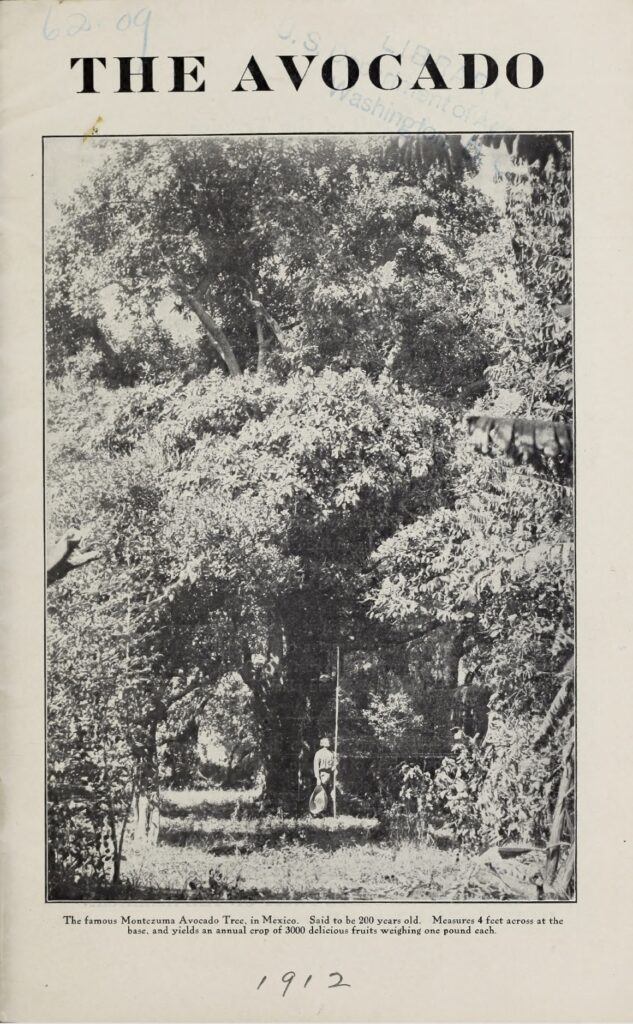
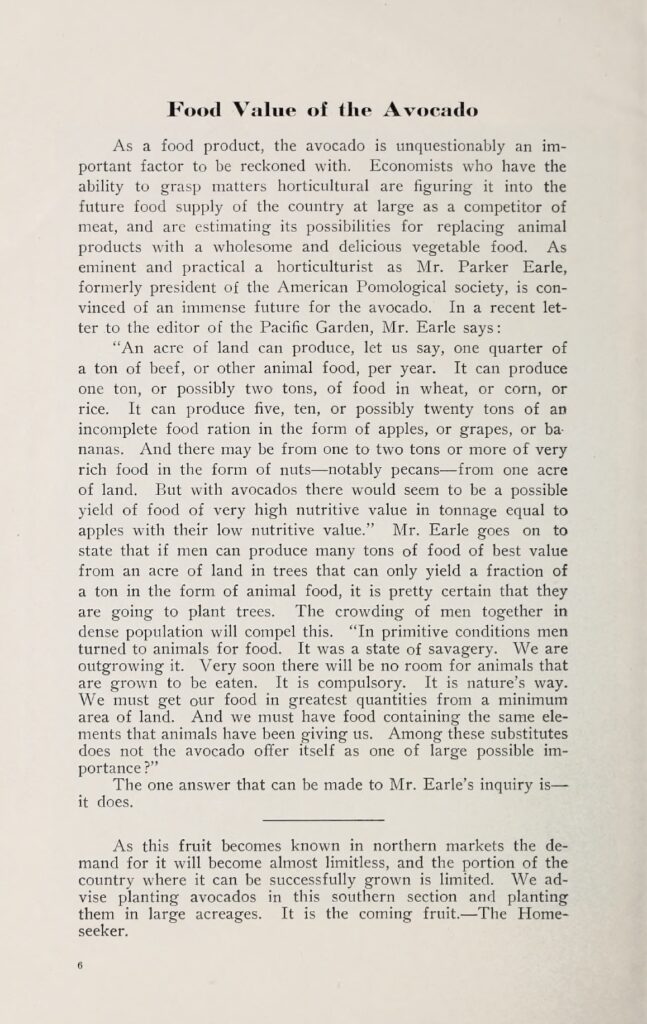
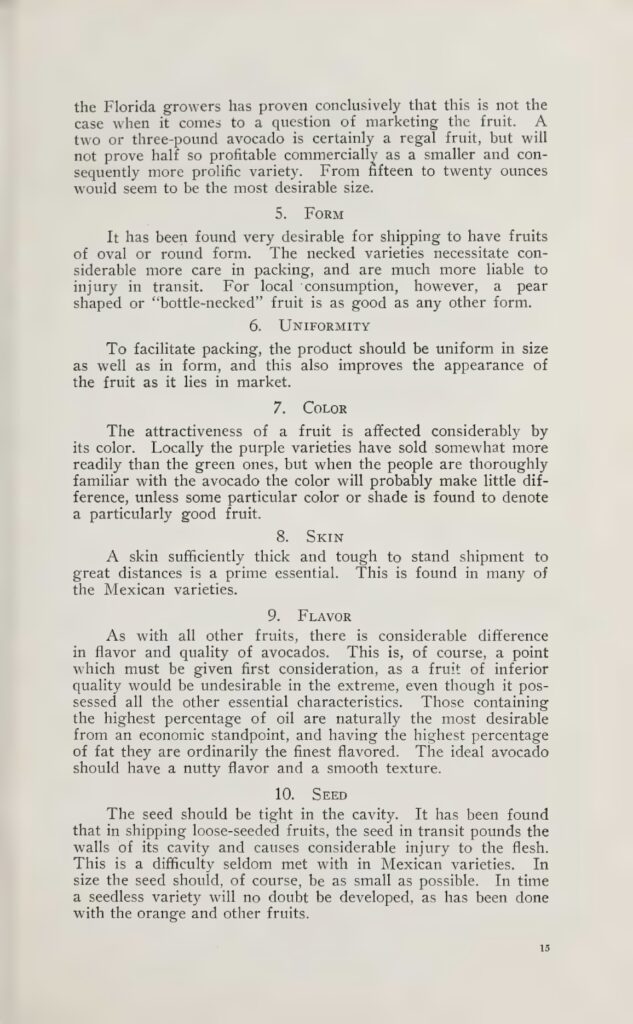
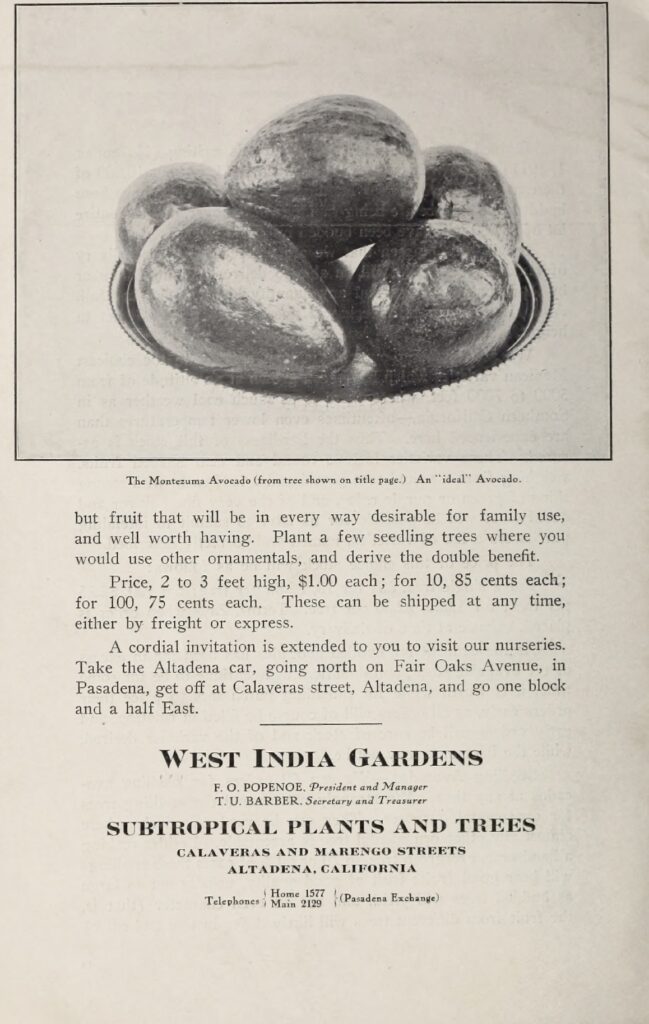
Illustrations: The Avocado, a trade catalogue by West India Gardens, Altadena, California, dated 1912.