The Common Table just turned six years old. Its founders, Orlando and Sophie Lovell, take stock of their platform and renew their pledge to champion voices for change in humankind’s greatest task ahead: transitioning to a global ecosystem of economies that are decent, fair and safe – through food.
We started The Common Table in Berlin in 2020 during the Covid-19 lockdown, when there was a sense of time stretching and deceleration among the population in quarantine. Meanwhile, many others, particularly in the food and care industries, were working harder than ever – risking their lives daily to provide for everyone else.
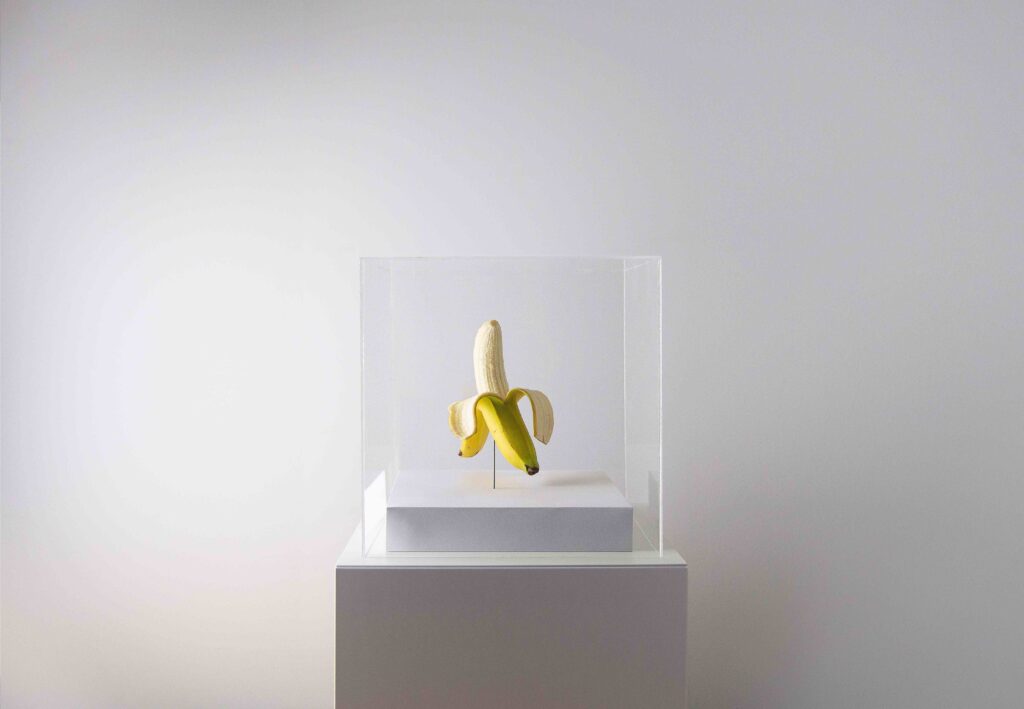
Dr Lenore Newman wanted to run the family fishing business, but now she’s a culinary geographer and expert advisor to governments on the impact of climate change on food security and global cuisines. We talk to her about her journey into food.
We spent a lot of that year collecting and reporting on various ways of seeing and approaching food systems from design, architecture and art perspectives, hence the tagline “food futures and systemic change” that we gave to our new sprout of a platform, in the hope that better days were to come.
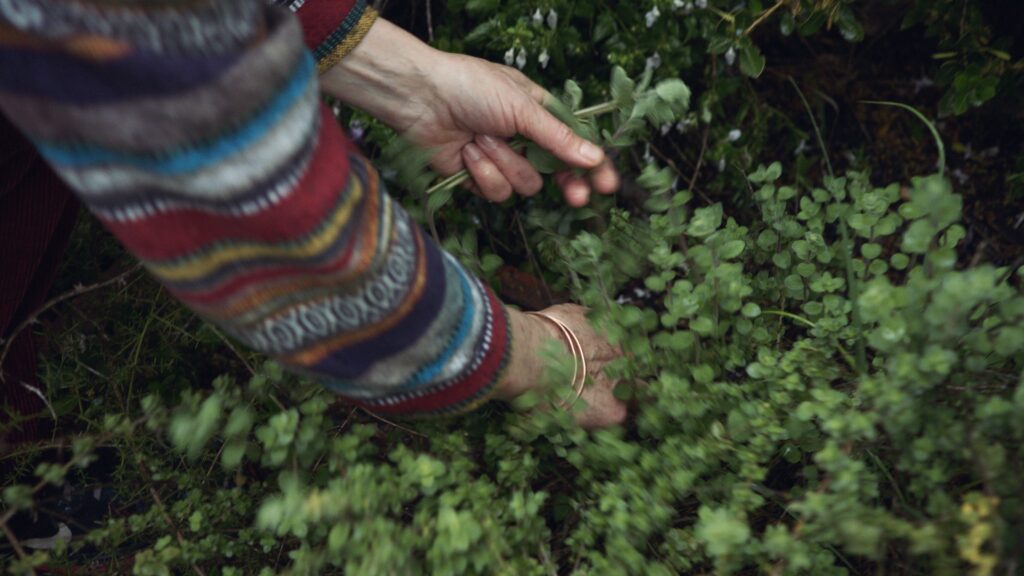
Artist filmmaker Jumana Manna’s new film “Foragers” is about the criminalisation of herb-picking culture in Palestine and Israel. An exclusive interview for The Common Table by Sophia Hoffinger.
Six years on, it feels like few lessons have been learned, and what should have been a wake-up call has ended up being business as usual. Now, there is a sense of having no time at all, or worse: that time is running out. The world is literally burning, the body politic is chronically ill, and a pervasive, algorithmically-enhanced sense of knowing too much is causing mass anxiety and mental exhaustion.
There is so much good to be found emerging from some of the essential system changes that have begun to happen.
Sometimes it is hard to see beyond all the dark news about the decline and fall resulting from a toxically destructive set of interconnected global systems. And yet, and yet, there is so much good to be found emerging from some of the essential system changes that have begun to happen.
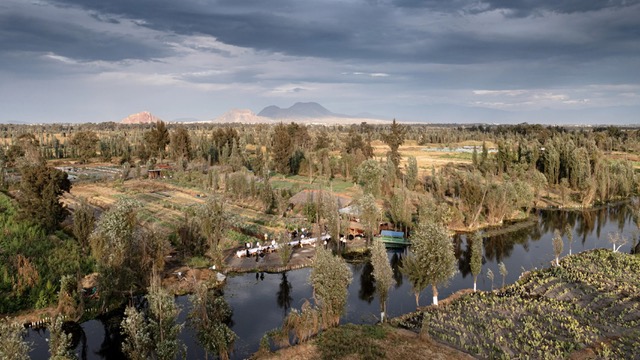
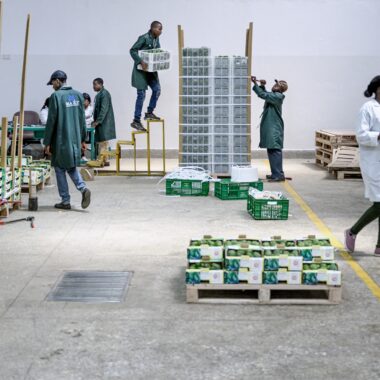
An agricultural collective called Arca Tierra supplies 50 city restaurants as well as locals with fresh food by reviving ancestral agriculture practices in the Chinampas wetlands near Mexico City. The Common Table spoke to the farm coordinator Sebastián Herrera about finding what was lost.
In her book All About Love, Bell Hooks said, “What we cannot imagine cannot come into being”. This is why, with The Common Table, we share relational visions, insights and stories about those positive system changes. Our goal is to continue to be a source and reference point to support the collective imagining and implementation of fairer food futures. And we work hard at asking better questions around food and beyond because by asking better questions, we uncover vital and inspirational stories of empowerment, ingenuity and care for the greater good.
Our goal is to continue to be a source and reference point to support the collective imagining and implementation of fairer food futures.
We believe that keeping all of the planet (human and more-than-human) well-nourished and healthy can only happen within a food-first mindset. Therefore, we focus on specific and concrete examples of people and practices facilitating the transition to a new food economy, or ecosystem of food economies, that are decent, fair, and safe.
Since both food sovereignty and food security are becoming the most pressing issues of our age, we also believe it is essential to share exemplary grassroots initiatives, policy models or municipal strategies from countries, cities and communities that seem to be on the right track.
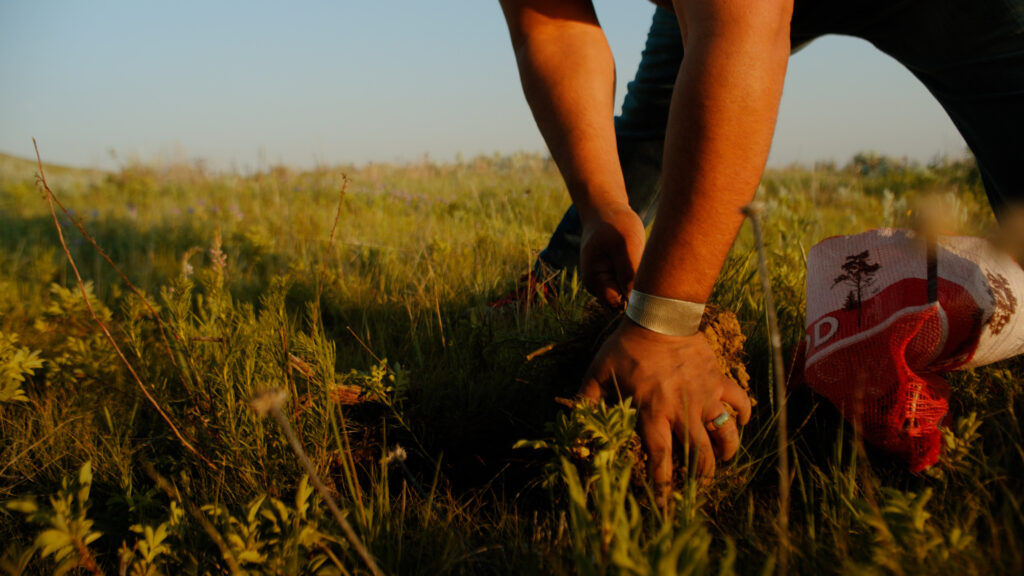
First Nations filmmaker and curator Cass Gardiner talks to The Common Table about stewardship, reciprocity, the bittersweet aspect of “home”, and how she uses food to open a window for non-Native people into her world and community.
Although political and economic systems appear to be descending into an increasingly corrupt chaos of the absurd, activism, engagement, resistance and advocacy are on the rise. Individuals, communities and global movements are challenging decayed narratives and writing their own. But narratives can be hijacked as easily as written. In 2020 the World Economic Forum offered the world the Great Reset; within a year the phrase had been taken up by people convinced the pandemic was a pretext, and it now describes a plot rather than a proposal. That is worth remembering as we write: the question is not only who tells the story, but who can afford to lose it.
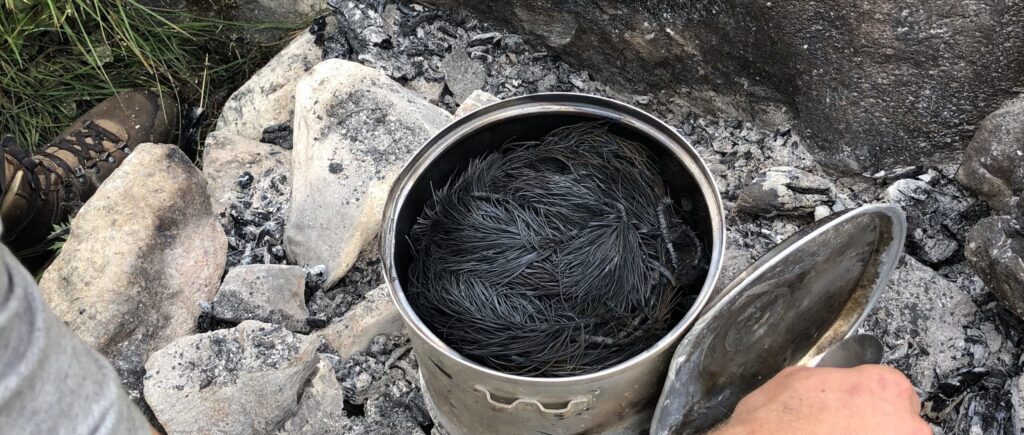
Welcome to the extended landscape of the human microbiome. Designer Philipp Kolmann introduces us to the collaborative relationships between bodies, cultures, food and microbes.
As Sebastián Herrera of Arca Tierra said so beautifully in our interview with him earlier this year, “the future is ancestral” in so many ways. Many of the geopolitical patterns and ecological crises playing out right now have played out before, in both ancient and modern history, which means these problems, or something very similar, have already been faced before and communities or species have already found ingenious solutions, workarounds, or adaptations. Such knowledge is the most precious of all resources and needs to be cherished and shared.
The future also belongs to the young, and it is their energy, their convictions, their imaginations and new visions that we shall continue to celebrate and share at our common, intergenerational table as we seek to document, in our own little way, the most important topic on the planet… food.
If there are people or projects in the food systems space that have inspired you, we’d love to hear about them – feel free to reach out to The Common Table.
Sign up to our newsletter to get regular updates on new stories.